Author name: earthandescape.com

Nepal Tourist Places
Travel Blogs

Nepal Tourist Places

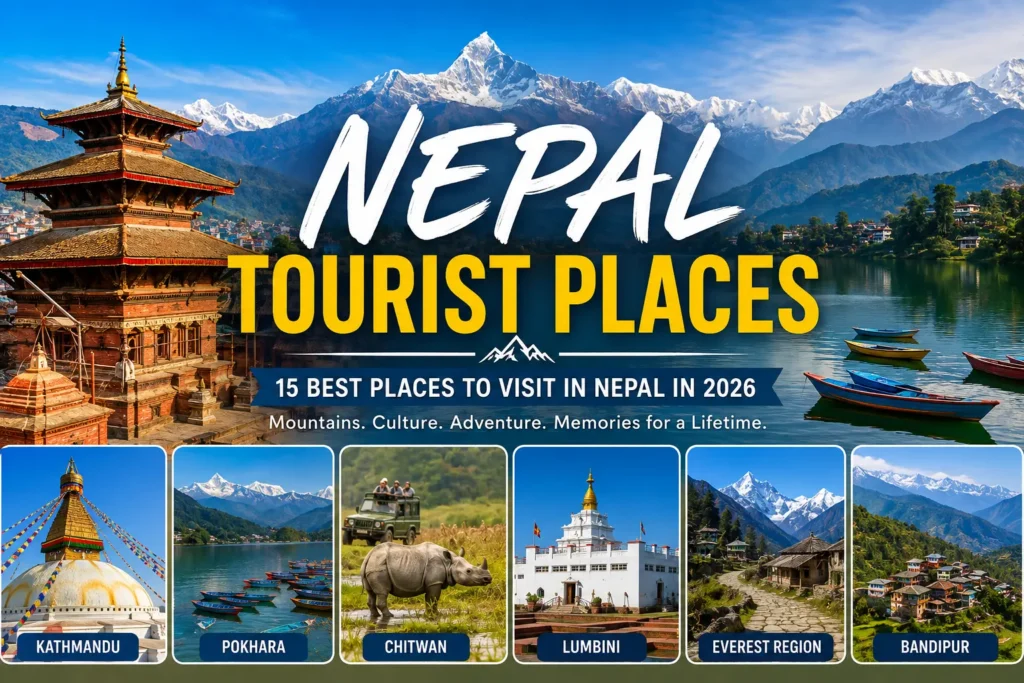
Nepal Tourist Places: 15 Best Places to Visit in Nepal in 2026 Nepal is one of those countries that can surprise you at every turn. One day you can be exploring an old temple in Kathmandu, and the next day you can be looking at snow-covered Himalayan peaks from a peaceful mountain town. From the famous streets of Kathmandu to the lakes of Pokhara and the forests of Chitwan, Nepal tourist places offer something for almost every kind of traveler. You can visit ancient temples, go trekking, enjoy mountain views, explore local villages, or simply slow down and enjoy the scenery. If you are planning your first trip to Nepal, choosing where to go can be difficult because there are so many beautiful places. This guide covers the 15 best places to visit in Nepal in 2026, along with what makes each place special and what you can do there. 1. Kathmandu – The Best Place to Start Your Nepal Trip Kathmandu is usually the first stop for travelers visiting Nepal. The capital city is busy, colorful, historic, and full of cultural experiences. The city may feel crowded at first, but spend some time exploring its old streets and temples and you will discover a fascinating side of Nepal. What to see in Kathmandu Some of the most popular attractions include: Swayambhunath Stupa Pashupatinath Temple Boudhanath Stupa Kathmandu Durbar Square Thamel Garden of Dreams Kathmandu is also a great place to try traditional Nepali food, shop for souvenirs, and prepare for a trekking trip. Best for Culture, history, temples, food, shopping, and first-time visitors. 2. Pokhara – Best Nepal Tourist Place for Mountain Views Pokhara is one of the most beautiful places in Nepal and a favorite among both international and Indian travelers. The city is famous for Phewa Lake, peaceful surroundings, and spectacular views of the Annapurna mountain range. Unlike Kathmandu, Pokhara feels more relaxed. You can spend the morning boating on the lake, enjoy a café in the afternoon, and watch the sunset over the mountains. Things to do in Pokhara Go boating on Phewa Lake Visit the World Peace Pagoda Explore Davis Falls Visit Gupteshwor Mahadev Cave Enjoy views from Sarangkot Try adventure activities such as paragliding Best for Couples, families, adventure travelers, photographers, and relaxed holidays. 3. Chitwan National Park – Best for Wildlife If you think Nepal is only about mountains, Chitwan will change your mind. Chitwan National Park is one of the country’s most famous wildlife destinations. The park is known for its forests, grasslands, rivers, and diverse wildlife. A safari gives you a chance to experience a very different side of Nepal. What can you see in Chitwan? Depending on the season and luck, you may see: One-horned rhinoceros Deer Crocodiles Wild elephants Many bird species Other forest wildlife You can also learn about the culture of the local Tharu community. Best for Wildlife lovers, families, photographers, and nature travelers. 4. Nagarkot – Best Place for a Himalayan Sunrise Want to escape Kathmandu for a quieter mountain experience? Nagarkot is a popular hill destination located close to Kathmandu. It is particularly famous for sunrise and sunset views. On clear days, the Himalayan range can create an impressive background. Why visit Nagarkot? The biggest attraction is the scenery. You can stay overnight at a hotel or resort and wake up early for sunrise. The surrounding area also has walking and hiking opportunities. Best for Couples, families, photographers, and short weekend trips. 5. Lumbini – The Birthplace of Buddha Lumbini is one of the most important Buddhist pilgrimage destinations in the world. It is traditionally recognized as the birthplace of Siddhartha Gautama, the Buddha. The peaceful atmosphere makes Lumbini very different from the busy streets of Kathmandu. Things to see in Lumbini Maya Devi Temple Sacred Garden Ashoka Pillar Monasteries Meditation areas International Buddhist sites Different Buddhist communities from around the world have built monasteries in the area, making Lumbini culturally fascinating. Best for Spiritual travelers, history lovers, Buddhist pilgrims, and peaceful holidays. 6. Everest Region – For the Ultimate Mountain Adventure For many travelers, Nepal means Mount Everest. The Everest region is one of the world’s most famous trekking destinations. The landscape includes high mountain passes, glaciers, traditional villages, monasteries, and incredible Himalayan views. You do not have to climb Mount Everest to experience the region. The Everest Base Camp trek is one of the most famous trekking routes in the world. What makes the Everest region special? You can experience: Himalayan mountain views Sherpa culture Namche Bazaar Tengboche Monastery High-altitude landscapes Everest Base Camp trekking routes Best for Trekkers, adventure travelers, photographers, and mountain lovers. Travel tip: High-altitude trekking requires preparation. Build your itinerary around gradual acclimatization rather than trying to travel too quickly. 7. Annapurna Region – One of Nepal’s Best Trekking Areas The Annapurna region is another fantastic choice for people who want to experience Nepal’s mountains. It offers a variety of trekking routes, which means travelers can choose an experience based on their time, fitness, and interests. The region combines mountain scenery with villages, forests, rivers, and local culture. Popular experiences Annapurna Circuit Annapurna Base Camp trek Mountain villages Himalayan viewpoints Local teahouses Sunrise and sunset views Best for Trekkers, adventure travelers, and people who want a longer Himalayan experience. 8. Bhaktapur – Best for History and Traditional Architecture Bhaktapur is one of the best places near Kathmandu for travelers interested in Nepal’s history and architecture. The city’s historic center has traditional buildings, temples, courtyards, and artistic details. Walking through Bhaktapur can feel like stepping into another period of Nepal’s history. Things to see Bhaktapur Durbar Square Nyatapola Temple Golden Gate Traditional courtyards Local pottery areas Do not rush your visit. One of the best ways to experience Bhaktapur is simply to walk around and observe daily life. Best for History lovers, photographers, culture enthusiasts, and architecture fans. 9. Patan – A Beautiful City of Art and Temples Patan, also known as Lalitpur, is another cultural gem in the
Kullu Manali Places to Visit
Travel Blogs

Best Kullu Manali Places to Visit (2026): Top Attractions, Hidden Gems & Travel Guide

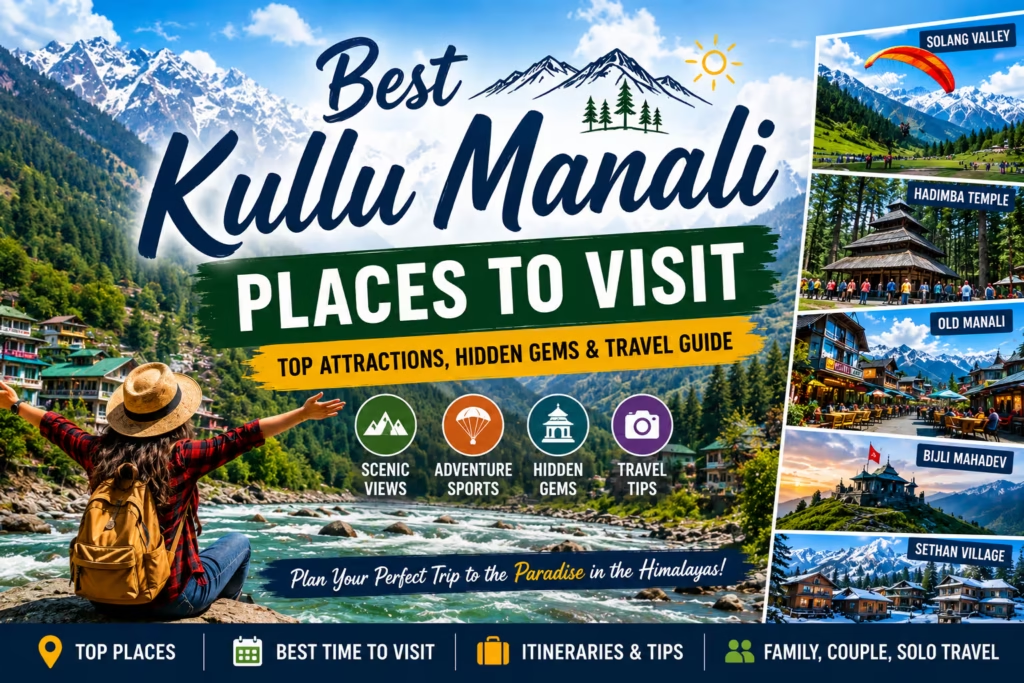
Best Kullu Manali Places to Visit (2026): Top Attractions, Hidden Gems & Travel Guide If you’re planning a trip to Himachal Pradesh, exploring the best Kullu Manali places to visit should be at the top of your list. Surrounded by snow-covered mountains, green valleys, waterfalls, and peaceful rivers, Kullu and Manali are among India’s most loved hill destinations. Whether you’re traveling with family, friends, your partner, or even solo, these twin destinations have something special for everyone. From exciting adventure sports and scenic viewpoints to ancient temples and charming villages, every corner of Kullu and Manali offers a memorable experience. In this guide, you’ll discover the top attractions, hidden gems, the best time to visit, and practical travel tips to help you plan a perfect trip in 2026. Best Kullu Manali Places to Visit If you’re visiting for the first time, these attractions should definitely be on your itinerary. 1. Solang Valley Solang Valley is one of the most famous tourist places in Manali. During winter, it becomes a snowy playground where visitors enjoy skiing, snowboarding, and snow tubing. In summer, the valley is popular for paragliding, ziplining, ATV rides, and cable car experiences. The beautiful mountain views make it one of the most photographed places in Himachal Pradesh. 2. Hadimba Devi Temple Surrounded by tall cedar trees, Hadimba Devi Temple is one of Manali’s most peaceful attractions. Built in the 16th century, this wooden temple is known for its unique architecture and calm atmosphere. It’s an ideal place to learn about local culture while enjoying nature. 3. Old Manali Old Manali offers a completely different vibe from the busy town center. Small cafés, colorful streets, local markets, live music, and mountain views make it a favorite among backpackers and couples. Take a slow walk through the village and enjoy the relaxed atmosphere. 4. Vashisht Temple and Hot Springs Located just a few kilometers from Manali, Vashisht is famous for its natural hot water springs. Many visitors believe these springs have healing properties. After exploring the temple, you can relax in the warm water while enjoying views of the surrounding mountains. Best Places to Visit in Kullu Great Himalayan National Park A UNESCO World Heritage Site, this national park is home to rare wildlife, colorful birds, and beautiful trekking trails. Nature lovers and photographers will especially enjoy exploring its forests and rivers. Bijli Mahadev Temple Situated on a hilltop, Bijli Mahadev Temple offers one of the most stunning panoramic views of the Kullu Valley. Although reaching the temple requires a short trek, the breathtaking scenery makes every step worth it. Raghunath Temple This historic temple is one of Kullu’s most important religious sites. It becomes the center of attention during the famous Kullu Dussehra festival. Visitors often admire both its spiritual importance and peaceful surroundings. Beas River The Beas River flows through both Kullu and Manali and is a popular spot for river rafting, riverside walks, and photography. Adventure lovers can enjoy rafting while others simply relax by the flowing water. Hidden Gems in Kullu Manali Besides the popular attractions, there are several lesser-known places worth exploring. Sethan Village This peaceful Buddhist village is perfect for travelers looking for fewer crowds and beautiful mountain landscapes. During winter, Sethan is also known for igloo stays. Jana Waterfall Located near Naggar, Jana Waterfall is surrounded by apple orchards and small villages. The short walk to the waterfall is easy and enjoyable. Hampta Village Hampta Village is famous for its quiet environment and serves as the starting point for the popular Hampta Pass Trek. Naggar Castle Built centuries ago, Naggar Castle offers incredible views of the valley along with traditional Himachali architecture. The nearby art gallery is also worth visiting. Best Adventure Activities in Kullu Manali Adventure is one of the biggest reasons travelers visit this region. Some of the most popular activities include: Paragliding in Solang Valley Skiing during winter River rafting in Kullu Trekking to Hampta Pass Camping under the stars Ziplining and ATV rides Mountain biking Whether you’re a beginner or an experienced adventurer, there are activities for every skill level. Best Time to Visit Kullu Manali The best time to visit Kullu Manali depends on the kind of vacation you want. March to June Pleasant weather makes this the best season for sightseeing, adventure sports, and family holidays. Temperature: 10°C–25°C July to September Monsoon brings lush green landscapes, but heavy rainfall can sometimes affect road travel. If you’re visiting during this period, always check the weather forecast before traveling. October to November Autumn offers clear skies, fewer crowds, and comfortable weather, making it a great time for peaceful vacations. December to February Winter transforms Kullu and Manali into a snowy wonderland. This is the best season for: Snowfall Skiing Honeymoon trips Snow photography How to Plan Your Kullu Manali Trip A well-planned trip helps you enjoy more while spending less. 3-Day Itinerary Day 1 Hadimba Temple Old Manali Mall Road Day 2 Solang Valley Atal Tunnel Adventure activities Day 3 Kullu sightseeing River rafting Naggar Castle If you have five days, you can also include Kasol, Manikaran Sahib, or Sissu in your itinerary. Real Traveler Experiences Families often prefer visiting between April and June because the weather is comfortable and sightseeing is easy. Adventure lovers usually travel in winter to enjoy skiing and snowfall in Solang Valley. Couples often choose December and January for romantic snowy landscapes, while solo travelers enjoy exploring Old Manali’s cafés and nearby trekking trails. Recent travel trends for 2025–2026 also show that more visitors are exploring offbeat destinations like Sethan Village, Naggar, and Hampta to avoid crowds and experience authentic Himachali culture. Frequently Asked Questions Which is better, Kullu or Manali? Both destinations are worth visiting. Manali is famous for adventure sports, cafés, and snowfall, while Kullu is known for temples, river rafting, and scenic valleys. How many days are enough for Kullu Manali? A 4 to 5-day trip is ideal to explore the major attractions comfortably. What is the best time to

places to visit in shimla
Travel Blogs

25 Best Places to Visit in Shimla in 2026: A Complete Travel Guide

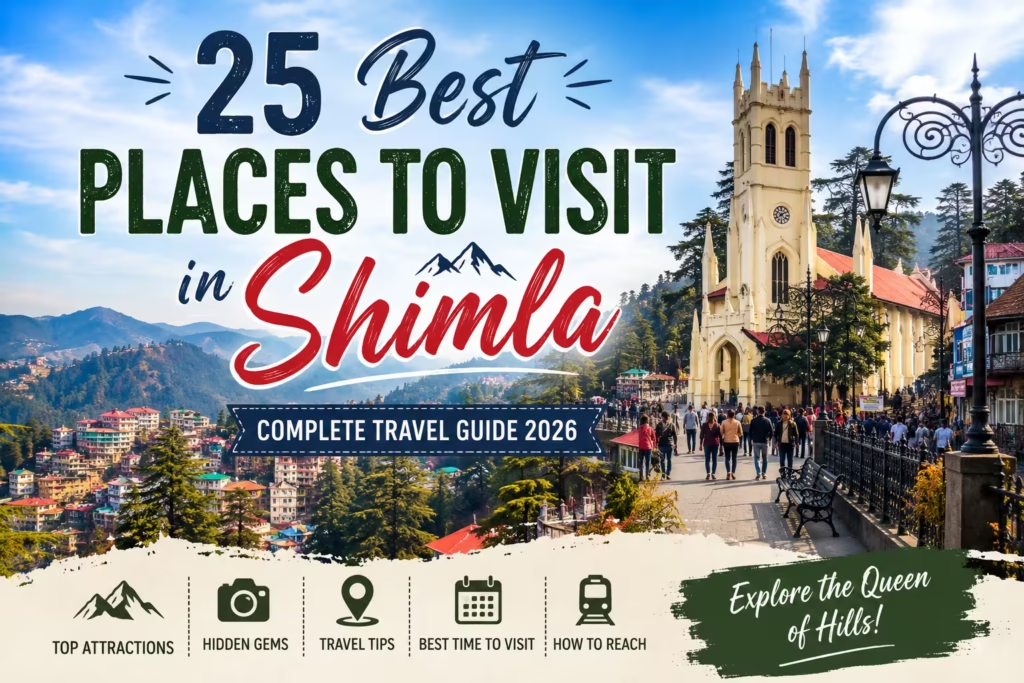
25 Best Places to Visit in Shimla in 2026: A Complete Travel Guide Shimla is one of India’s most loved hill stations, and it’s easy to see why. Surrounded by green mountains, tall pine trees, and beautiful valleys, this charming town offers a perfect break from busy city life. Whether you are planning a family vacation, a honeymoon, or a trip with friends, there are plenty of amazing places to visit in Shimla that will make your journey memorable. From famous tourist attractions to peaceful hidden spots, Shimla has something for every kind of traveler. In this guide, you’ll discover the best places to explore, the ideal time to visit, useful travel tips, and everything you need to plan a wonderful trip. Best Places to Visit in Shimla The Ridge The Ridge is the most popular place in Shimla and the first stop for many visitors. It is a large open space in the center of the town where you can enjoy beautiful views of the surrounding mountains. During the evening, the area becomes lively with local people, tourists, street performers, and small food stalls. The Ridge is also home to the famous Christ Church, making it one of the best photography spots in Shimla. Mall Road Mall Road is the heart of Shimla. It is filled with cafes, restaurants, local shops, bookstores, and souvenir stores. Walking here in the evening is one of the best experiences in the city. You can buy handmade woolen clothes, wooden handicrafts, Himachali caps, and local sweets. Don’t forget to try freshly prepared momos and hot coffee while enjoying the cool mountain weather. Jakhoo Temple Located on the highest hill in Shimla, Jakhoo Temple is dedicated to Lord Hanuman. The temple is famous for its giant Hanuman statue, which can be seen from different parts of the town. The short trek to the temple is enjoyable, but be careful of the monkeys living around the area. Carry your belongings safely and avoid carrying food in your hands. Kufri Just around 16 kilometers from Shimla, Kufri is one of the most visited tourist destinations nearby. During winter, it becomes a snowy paradise where visitors can enjoy skiing, snowboarding, and horse riding. In summer, Kufri offers green landscapes, adventure parks, and beautiful viewpoints that are perfect for families and nature lovers. Green Valley Green Valley is one of the most scenic places near Shimla. Covered with thick forests and rolling hills, it offers breathtaking views throughout the year. It is a great place to stop during your drive to Kufri and capture some unforgettable photographs. Chadwick Falls If you enjoy peaceful natural surroundings, Chadwick Falls is worth visiting. Hidden inside a forest, the waterfall looks especially beautiful during the monsoon season. The short walk through the greenery makes the experience even more enjoyable for nature lovers. Summer Hill Summer Hill is a quiet area located away from the busy tourist crowds. Surrounded by forests and fresh mountain air, it is perfect for travelers looking to relax. This peaceful destination is ideal for morning walks, photography, and spending quality time with family. Annandale Annandale is known for its beautiful open ground and the Army Heritage Museum. It is surrounded by thick forests and offers a calm environment for visitors. Families often enjoy spending a few hours here learning about India’s military history while enjoying nature. Things to Do in Shimla Apart from sightseeing, Shimla offers many fun activities. Take a ride on the famous Kalka-Shimla Toy Train, a UNESCO World Heritage railway that passes through tunnels, bridges, and beautiful mountain landscapes. The journey itself is an unforgettable experience. Adventure lovers can enjoy trekking, ziplining, camping, mountain biking, and horse riding around Shimla and Kufri. Food lovers should try traditional Himachali dishes like Siddu, Madra, Chha Gosht, and Babru. Small local restaurants often serve authentic flavors at reasonable prices. Shopping is another highlight. Mall Road and Lakkar Bazaar are the best places to buy wooden handicrafts, woolen clothes, local jams, handmade jewelry, and souvenirs. Best Time to Visit Shimla Shimla is beautiful throughout the year, but every season offers a different experience. From March to June, the weather remains pleasant, making it perfect for sightseeing and family holidays. The monsoon season (July to September) brings lush green landscapes, although heavy rainfall may sometimes affect travel plans. If you want to enjoy snowfall, plan your visit between December and February. During winter, Shimla transforms into a magical snow-covered destination, attracting honeymoon couples and snow lovers from across the country. How to Reach Shimla Shimla is well connected by road, rail, and air. The nearest airport is in Jubbarhatti, around 22 kilometers from the city center. Many travelers prefer taking the Kalka-Shimla Toy Train because of its scenic beauty. It is one of the most enjoyable train journeys in India. Regular buses and private taxis are available from Delhi, Chandigarh, and nearby cities. If you enjoy road trips, driving through the winding mountain roads is an exciting experience. Travel Tips for First-Time Visitors Carry warm clothes even during summer because evenings can become cool. Wear comfortable walking shoes since many attractions involve uphill walks. Book hotels early if you are visiting during peak tourist seasons, especially in summer and winter holidays. Start your sightseeing early in the morning to avoid crowds and enjoy pleasant weather. Keep some cash with you because small local shops may not always accept digital payments. Respect local culture, avoid littering, and help keep Shimla clean for future travelers. Why Shimla Should Be on Your Travel List Shimla is more than just a hill station. It offers a perfect mix of natural beauty, colonial architecture, peaceful temples, exciting adventure activities, delicious local food, and welcoming people. Whether you are watching the sunset at The Ridge, shopping on Mall Road, enjoying snowfall in Kufri, or taking a peaceful walk through Summer Hill, every moment in Shimla creates memories that stay with you for years. If you are planning your next mountain vacation, the places to visit

Spiti Valley India
Travel Blogs

Spiti Valley India

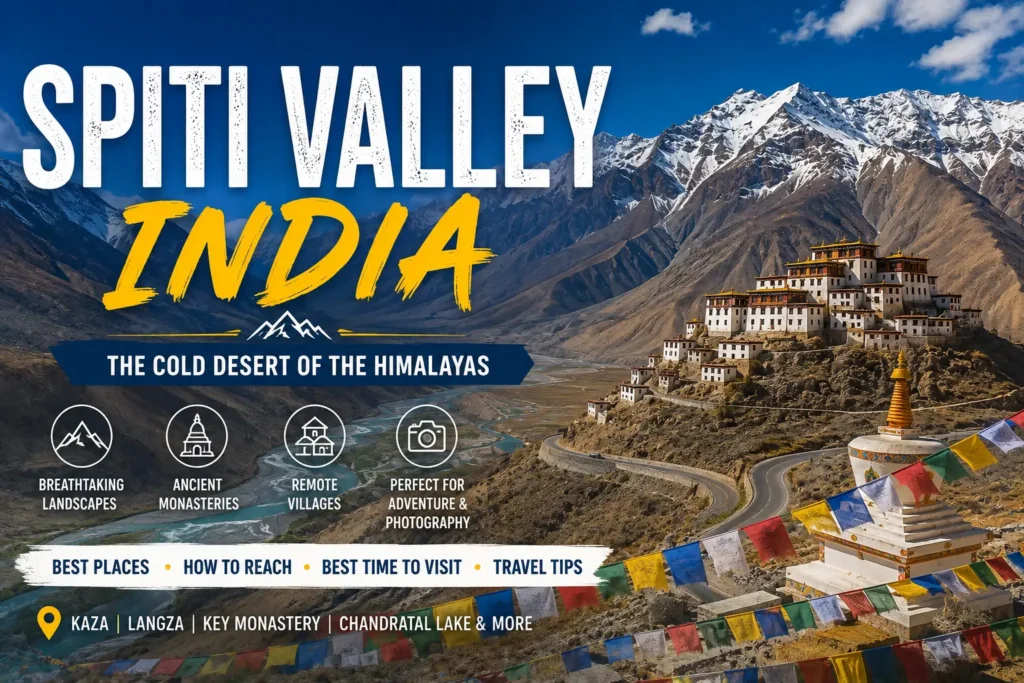
Spiti Valley India: A Simple Travel Guide for Your Trip If you want to experience a side of the Himalayas that feels raw, peaceful, and completely different from busy hill stations, Spiti Valley in India is worth visiting. Located in Himachal Pradesh, Spiti is known for its dramatic mountains, ancient monasteries, remote villages, and beautiful high-altitude landscapes. It is not the easiest destination to reach, but that is part of its charm. The journey is long, the roads can be rough, and the weather can change quickly. But once you reach the valley, the views and peaceful surroundings make the effort worthwhile. Best Places to Visit in Spiti Valley Kaza Kaza is the main town and the best base for exploring Spiti Valley. You can find hotels, homestays, cafés, shops, and basic facilities here. Key Monastery One of Spiti’s most famous attractions, Key Monastery sits dramatically on a mountain above the valley. It is a beautiful place to experience Tibetan Buddhist culture and mountain views. Langza Langza is a peaceful mountain village famous for its huge Buddha statue and stunning Himalayan scenery. It is also a great place for photography. Hikkim and Komic These high-altitude villages are usually visited together with Langza. The journey offers incredible mountain views and a chance to see traditional Himalayan village life. Tabo Tabo is famous for its ancient monastery and peaceful surroundings. It is one of the most important cultural places in Spiti. Dhankar Dhankar is known for its monastery and dramatic location overlooking the Spiti River. The views from here are unforgettable. Pin Valley If you love nature and quieter places, Pin Valley is a great addition to your trip. Its rugged landscapes and villages offer a different side of Spiti. Chandratal Lake Chandratal is a beautiful high-altitude lake surrounded by mountains. Access depends on the season and road conditions, so check locally before planning your visit. Best Time to Visit Spiti Valley May to October is generally the easiest period for a Spiti road trip, although exact road conditions vary each year. May–June: Good for road trips and sightseeing July–August: Roads can be affected by monsoon conditions September–October: Cooler weather and beautiful mountain views Winter: Extremely cold and difficult, especially for first-time visitors If this is your first Spiti trip, June or September can be good months to consider, depending on current road conditions. How to Reach Spiti Valley There are two main road approaches: From Manali: A dramatic mountain route, usually dependent on seasonal road conditions. From Shimla: A longer route through Kinnaur that allows you to gradually enter the high-altitude region. There is no airport or railway station in Spiti Valley, so the final part of the journey is by road. How Many Days Are Enough? For a comfortable trip, plan for 7–10 days. A simple itinerary could look like: Day 1: Shimla/Kinnaur sideDay 2: KinnaurDay 3: TaboDay 4: Dhankar → KazaDay 5: Key Monastery → KibberDay 6: Langza → Hikkim → KomicDay 7: KazaDay 8: Return journey Keep extra time if possible because mountain roads and weather can cause delays. Important Things to Know Before Visiting Spiti is a high-altitude destination, so don’t rush after arriving. Give your body time to adjust to the altitude. Carry warm clothes even in summer. Keep enough cash because smaller villages may have limited payment facilities. Download offline maps before your journey. Carry basic medicines and personal essentials. Check road conditions before starting each long journey. Keep your itinerary flexible. Respect local customs and monasteries. Avoid littering and carry your waste with you. Is Spiti Valley Worth Visiting? Yes, especially if you love mountains, road trips, photography, peaceful places, and offbeat travel. Spiti is not about luxury hotels or nightlife. It is about winding mountain roads, quiet villages, monasteries, star-filled skies, and landscapes that look almost unreal. If you want a Himalayan trip that feels adventurous and different from the usual tourist route, Spiti Valley is one of the best places to explore in India.

valley of flowers trek india
Travel Blogs

valley of flowers trek india

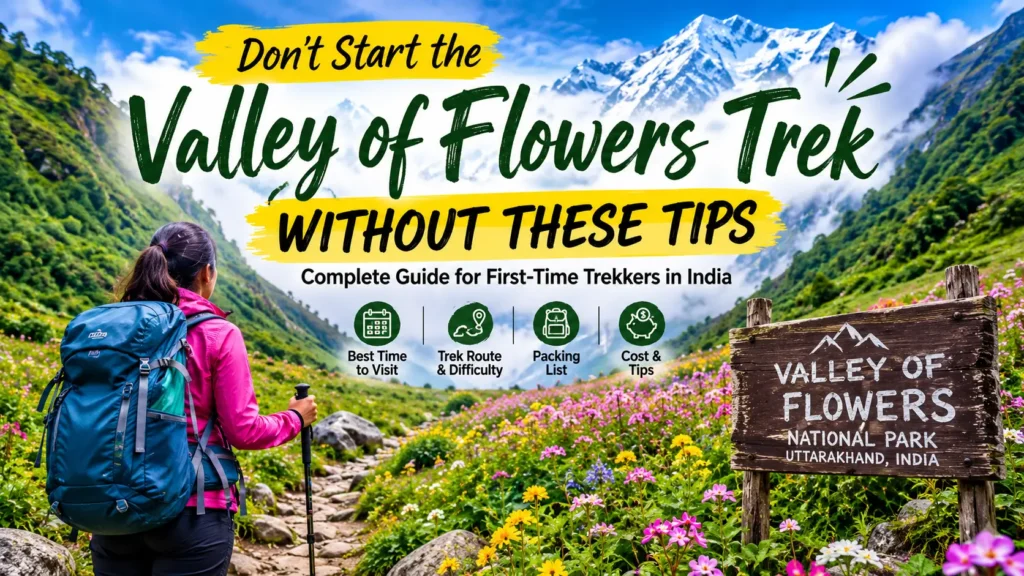
Valley of Flowers Trek India: Complete Guide for First-Time Trekkers If you love mountains, greenery and quiet places, the Valley of Flowers trek in India is one of those journeys that can stay with you for a long time. Located in Uttarakhand’s Chamoli district, the Valley of Flowers National Park is a UNESCO World Heritage Site known for its alpine meadows, Himalayan scenery and rich plant life.  What makes the trek special is not just the flowers. The journey takes you through mountain trails, streams, waterfalls and the small settlement of Ghangaria before you reach the famous valley. Why Is the Valley of Flowers Trek India So Special? The valley sits at around 3,600 metres above sea level and is home to hundreds of plant species. Uttarakhand Tourism lists more than 600 species, including orchids, poppies, primulas, marigolds, daisies and anemones. The best flower display is generally during July to September, which makes the monsoon months particularly attractive for this trek.  You may also see Himalayan wildlife in the wider protected area, including species such as the Himalayan monal, red fox and Himalayan black bear. Valley of Flowers Trek India Route For most travellers, the journey starts by road towards Govindghat. From there, you trek towards Ghangaria, which is the main base for the Valley of Flowers and Hemkund Sahib routes. A simple route looks like this: Dehradun/Rishikesh → Govindghat → Ghangaria → Valley of Flowers → Ghangaria → Govindghat Uttarakhand Tourism describes the trek as moderate to challenging.  Govindghat to Ghangaria This is the main approach trek to the base village. The distance is roughly 13–15 km depending on the route/source and current trail arrangements. Ghangaria is situated at about 3,050 metres.  The trail is not just about reaching the destination. You will pass waterfalls, streams and mountain scenery along the way. Ghangaria to Valley of Flowers From Ghangaria, the valley is a shorter trekking section. Uttarakhand Tourism’s itinerary describes it as approximately 4 km from Ghangaria, with the trail passing through forests before opening into the flower-filled landscape.  One important rule is that overnight camping is not allowed inside the Valley of Flowers. Visitors need to return to Ghangaria by the designated closing time. (Uttarakhand Tourism) Best Time to Visit Valley of Flowers If flowers are your main reason for visiting, July to September is generally the period to consider. Uttarakhand Tourism says the flowers are at their maximum abundance during these months. August can be particularly attractive because the valley is usually full of seasonal flowers and greenery. However, this is also monsoon season, so rain can make trails slippery and road travel more difficult. If you are planning the trek, don’t choose your dates only because of the flowers. Check current weather, road conditions and official park information before leaving. How to Reach Valley of Flowers Trek India You cannot drive directly to the valley. By Road You first need to reach Govindghat, which is connected by road to major towns in Uttarakhand. From Govindghat, the journey continues on foot towards Ghangaria.  By Train Rishikesh is the nearest major railhead listed by Uttarakhand Tourism. From there, you can continue by road towards Govindghat. By Air Jolly Grant Airport near Dehradun is the nearest airport listed by Uttarakhand Tourism. From the airport, you need to continue by road towards Govindghat. How Many Days Do You Need? For a comfortable trip, plan around 5–7 days, depending on where you are starting from and whether you want to include Hemkund Sahib. Uttarakhand Tourism currently lists a 6-night, 7-day Govindghat-to-Valley of Flowers itinerary and describes the experience as moderate to challenging. A longer itinerary gives you more flexibility in case rain or road conditions cause delays. What Should You Pack? You don’t need an enormous backpack, but you do need the right things. Valley of Flowers Trek Packing List Good trekking shoes with proper grip Lightweight rain jacket Warm layers Quick-drying clothes Extra socks Water bottle Sunglasses Sunscreen Personal medicines Small first-aid kit Power bank Waterproof bag or covers ID and required documents The weather can change quickly in the mountains, so carrying layers is much better than relying on one heavy jacket. Is Valley of Flowers Trek India Difficult? The trek is generally considered moderate to challenging, according to Uttarakhand Tourism.  You do not need to be an expert mountaineer, but you should be comfortable walking for several hours on uneven mountain trails. If you rarely exercise, start preparing a few weeks before the trip. Regular walking, stair climbing and basic cardio can help build stamina. Don’t underestimate the altitude either. Take your time, stay hydrated and pay attention to how your body feels. What Makes Ghangaria Important? Ghangaria is more than just a place to sleep. It is the main base for both Valley of Flowers and Hemkund Sahib and is the last inhabited settlement on the trekking route. Uttarakhand Tourism places it at around 3,050 metres.  You can stay here before and after visiting the valley, making it easier to avoid rushing through the trek. Valley of Flowers Trek Cost The final cost depends on your starting city, transport, accommodation, meals and whether you use a trekking operator. As a reference point, Uttarakhand Tourism currently lists a 6-night, 7-day itinerary at about ₹12,000 per person excluding airfares. Another official tourism itinerary lists a shorter package from Haridwar at around ₹9,000 per person. These are official package figures and should not be treated as the exact total cost of every traveller’s trip.  Your actual budget will be higher if you are travelling from another city and paying separately for transport, accommodation and personal expenses. Important Safety Tips The Valley of Flowers is beautiful, but it is still a high-altitude Himalayan trek. Keep these points in mind: Check weather conditions before starting. Don’t ignore local warnings. Avoid walking close to unstable edges or fast-flowing streams. Wear shoes with good grip. Don’t rush if you feel tired. Keep your belongings protected from rain. Follow park rules and marked trails. Avoid

how to plan a trip
Travel Blogs

How to Plan a Trip: Easy Guide for Stress-Free Travel

How to Plan a Trip: A Simple Guide for Stress-Free Travel Planning a trip sounds exciting until you actually have to decide where to stay, how to travel, what to pack, what to see, and how much money to spend. It can quickly become confusing, especially if it is your first time planning a trip yourself. The good news is that trip planning does not have to be complicated. You do not need a perfect itinerary or a spreadsheet with every minute planned. You just need a simple plan that covers the important things and leaves enough room to enjoy the journey. Here is a practical guide on how to plan a trip from start to finish. 1. Decide Where You Want to Go The first step is choosing your destination. Think about what kind of trip you want. Do you want mountains, beaches, history, food, adventure, shopping, or simply a quiet break? For example: Want mountains? Consider Manali, Kashmir, or Sikkim. Want beaches? Goa or Kerala could work. Want a city break? Delhi, Mumbai, or Bengaluru may be better. Want adventure? Look for destinations with trekking, rafting, camping, or other outdoor activities. Also consider your available time. A three-day holiday and a two-week vacation need very different plans. 2. Choose Your Travel Dates Once you have selected a destination, decide when you want to go. This is important because the same place can feel completely different in different seasons. Before booking anything, check: Weather conditions Peak and off-season Public holidays Local festivals Chances of rain or snow Expected tourist crowds If you are travelling on a tight budget, consider travelling during the shoulder or off-season. Hotels and transport can sometimes be cheaper, and popular attractions may be less crowded. 3. Set Your Travel Budget This is probably the most important part of trip planning. Before booking a hotel or flight, decide how much you can comfortably spend. Break your budget into smaller parts: Expense Approx. Budget Transport ₹_____ Hotel ₹_____ Food ₹_____ Local transport ₹_____ Activities ₹_____ Shopping ₹_____ Emergency fund ₹_____ Do not forget small expenses. A few coffees, taxi rides, entrance tickets, and snacks can add up surprisingly quickly. I also recommend keeping 10–15% of your budget as a backup. You may not use it, but having that extra money makes the trip less stressful. 4. Decide How You Will Reach Your Destination Now compare your transport options. Depending on the destination, you may have choices such as: Flight Train Bus Car Taxi Shared transport Do not automatically choose the cheapest option. For example, a ₹2,000 bus may look cheaper than a ₹3,000 flight, but if the bus takes 14 hours and the flight takes 2 hours, the difference may be worth considering. Look at the total cost, travel time, comfort, and convenience before booking. 5. Find the Right Place to Stay Your hotel can have a big impact on your trip. A cheap hotel far away from everything may actually cost you more because you will spend extra money and time on local transport. When choosing accommodation, check: Location Recent guest reviews Price Check-in and check-out times Cancellation policy Breakfast Wi-Fi Parking, if needed Distance from major attractions For a city trip, staying near public transport can be very useful. For a peaceful holiday, you may prefer somewhere away from the busy centre. 6. Make a List of Places You Want to Visit Now comes the fun part. Search for the main attractions, hidden spots, local food places, markets, viewpoints, and activities at your destination. But don’t add everything to your itinerary. Instead, divide your list into three groups: Must visit: Places you really don’t want to miss. Would like to visit: Places you can visit if you have enough time. Optional: Places you will visit only if you are nearby. This simple trick prevents your trip from becoming exhausting. 7. Create a Flexible Itinerary A good itinerary should make your trip easier, not feel like homework. Instead of planning every hour, group nearby places together. For example: Day 1:Hotel check-in → nearby sightseeing → local market → dinner Day 2:Main attraction → lunch → nearby attractions → relaxed evening Day 3:Day trip → return to hotel → free evening This gives you a basic structure without making you feel like you are racing against the clock. Don’t plan too many places in one day One common travel mistake is trying to see everything. You may spend more time in traffic than actually enjoying the destination. Sometimes visiting three places properly is much better than visiting eight places for 20 minutes each. 8. Book the Important Things Once your plan looks realistic, book the things that could sell out or become expensive. Usually, this means: Transport Accommodation Popular activities Entry tickets, if required Local transfers, where necessary Keep your booking confirmations in one place on your phone. It is also useful to keep important details available offline in case your internet connection is poor. 9. Plan Your Local Transportation Many people plan their flight and hotel but forget about getting around once they arrive. Research how you will travel locally. Depending on the destination, you may use: Metro Local buses Auto-rickshaws Taxis Rental cars Scooters Walking For some destinations, renting a vehicle makes sense. For others, public transport is cheaper and easier. Check approximate fares before travelling so you have an idea of what to expect. 10. Pack According to Your Destination Packing becomes much easier when you stop thinking about everything you might need. Instead, ask yourself: What will I actually use? Check the weather and plan your clothes accordingly. For example, a mountain trip may require: Warm layers Comfortable shoes Jacket Socks Moisturizer Sunglasses A beach holiday may need: Light clothes Swimwear Sandals Sunscreen Hat Extra clothes Don’t forget useful basics such as your ID, chargers, medicines you normally need, and some emergency cash. 11. Check the Weather Before Leaving Even if you checked the weather when booking your trip, check it again

Simple women travel kit with essential travel items
Travel Blogs

women travel kit

My Simple Women Travel Kit: Things I Never Travel Without I used to think I needed a separate product for every possible travel situation. Over time, I realised that carrying too much only makes the bag heavier and harder to organise. Now, I keep my women travel kit simple. These are the things I actually use and find useful on most trips: 1. A Small Toiletry Pouch I keep my daily basics together instead of putting them all over my luggage. Toothbrush and toothpaste Face wash Moisturizer Sunscreen Deodorant Comb or hairbrush Lip balm Travel-size containers are usually enough for short trips. 2. Period Products This is one thing I never leave to chance. I carry the period product I am comfortable using, even when I don’t expect my period during the trip. I also keep a few disposal bags in the same pouch. 3. My Basic Medicine Pouch I carry any medicines I regularly need and a few basic first-aid items. My small pouch usually has: Regular personal medicines Band-aids ORS Antiseptic wipes I don’t carry random medicines that I have never used before. 4. Hand Sanitizer and Tissues These take almost no space but can be surprisingly useful. I keep a small sanitizer and tissues in my handbag or daypack so I don’t have to open my main luggage every time I need them. 5. Sunscreen If I’m going somewhere sunny, sunscreen is one of the first things I pack. I keep it somewhere easy to reach because I don’t want to dig through my suitcase just to find it. 6. A Power Bank My phone is not just for taking photos while travelling. I use it for maps, tickets, hotel bookings, communication and emergency contacts. So a charged power bank is something I consider essential. 7. Extra Hair Ties This sounds like a tiny thing, but losing a hair tie when you’re travelling can be surprisingly annoying. I keep a few in my toiletry pouch and one in my day bag. 8. Comfortable Innerwear I always carry enough for the trip plus a couple of extras. For longer trips, I prefer lightweight and quick-drying options because they are easier to wash and dry. 9. A Small Laundry Bag I use one simple reusable bag for clothes I’ve already worn. It keeps clean and used clothes separate and makes unpacking much easier when I get home. 10. A Few Personal Hygiene Essentials Depending on the destination and length of the trip, I may also carry: Wet wipes Panty liners Small tissue packs Travel towel Hand cream I only pack what I know I’ll actually use. 11. Minimal Makeup I don’t take my whole makeup collection on holiday. Usually, I am happy with: Lip balm or lipstick Compact Mascara One multipurpose product The goal is to keep it simple. 12. A Reusable Water Bottle I prefer carrying my own bottle rather than buying a new plastic bottle every time I’m thirsty. I refill it whenever safe drinking water is available. 13. A Small Crossbody or Day Bag I don’t want to carry my entire suitcase around while sightseeing. A small, comfortable day bag is enough for my phone, wallet, tissues, sanitizer, sunscreen and other small essentials. 14. Copies of Important Documents For important trips, I keep digital copies of my ID, passport, tickets, hotel bookings and travel insurance details. For international travel, I also keep the physical documents safely organised. 15. A Little Extra Space This isn’t technically an item, but it has become one of my favourite packing rules. I never fill my bag completely. Leaving some space makes it easier to pack things I buy during the trip and prevents the suitcase from becoming difficult to close. What I Actually Keep in My Everyday Travel Pouch If I’m trying to travel light, my small pouch usually comes down to: Toothbrush + toothpaste + sunscreen + moisturizer + lip balm + sanitizer + tissues + period products + basic medicines + comb + hair ties. That’s it. You don’t need a giant women travel kit filled with products you might use someday. Pack the things that make your journey more comfortable, keep them organised, and make sure the most important items are easy to reach. Good packing isn’t about carrying more. It’s about carrying what you genuinely need.

places to visit in Manali
Travel Blogs

10 Best Places to Visit in Manali: Amazing Travel Guide

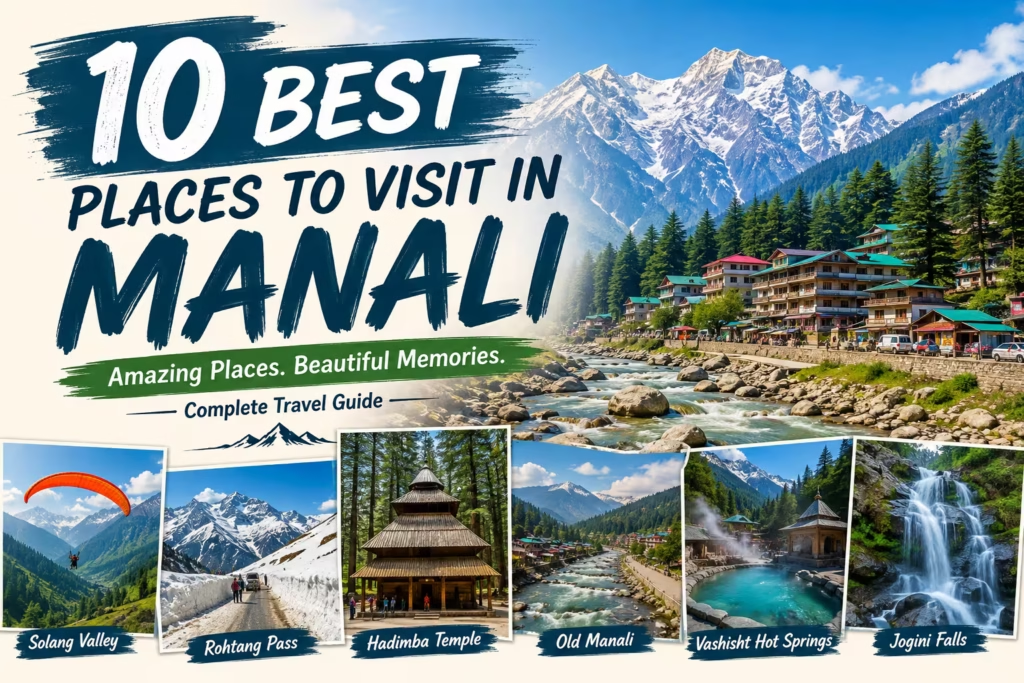
10 Best Places to Visit in Manali: Amazing Travel Guide If you are planning a trip to Himachal Pradesh, Manali should definitely be on your list. Surrounded by snow-covered mountains, green valleys, rivers, waterfalls, and beautiful forests, Manali is one of the most popular hill destinations in India. But with so many places to explore, it can be difficult to decide where to go first. From the famous Solang Valley and Rohtang Pass to peaceful places like Old Manali and Vashisht, there is something for almost every type of traveler. Whether you are visiting Manali with family, friends, your partner, or even on a solo trip, these 10 best places to visit in Manali can help you plan an enjoyable trip. 1. Solang Valley – Best Place for Adventure Activities Solang Valley is one of the most popular tourist places near Manali. It is surrounded by tall mountains and offers beautiful views throughout the year. The valley is especially famous for adventure activities. Depending on the season and weather, visitors can enjoy activities such as paragliding, zorbing, skiing, and snow activities. During winter, the valley can become covered in snow, making it a popular destination for people who want to experience a snowy mountain landscape. Things to do in Solang Valley Enjoy mountain views Try paragliding Experience snow activities in winter Take photographs Enjoy a peaceful walk around the valley Travel tip: Adventure activities are weather-dependent, so check local conditions before booking. 2. Rohtang Pass – A Famous Snow Destination Near Manali If snow is one of the main reasons you want to visit Manali, Rohtang Pass is one of the places you may want to consider. Located at a high altitude, Rohtang Pass offers dramatic mountain scenery and, depending on the season, snow-covered landscapes. However, access to Rohtang Pass can depend heavily on weather, road conditions, government regulations, and seasonal restrictions. Why visit Rohtang Pass? Beautiful Himalayan scenery Snow during suitable months Great photography opportunities Mountain road experience A memorable day trip from Manali Important: Do not assume Rohtang Pass will always be accessible. Check the latest official travel and road information before planning your trip. 3. Hadimba Devi Temple – A Peaceful Place in Manali Located among tall cedar trees, Hadimba Devi Temple is one of the most famous places to visit in Manali. The temple has a unique wooden architectural style and is surrounded by a peaceful forest. It is dedicated to Hidimba Devi, a character from the Mahabharata. Even if you are not visiting Manali mainly for religious tourism, the temple is worth visiting because of its architecture and natural surroundings. What makes Hadimba Temple special? Traditional wooden architecture Beautiful cedar forest Peaceful atmosphere Historical and cultural importance Excellent photography surroundings Try visiting in the morning if you want a calmer experience. 4. Old Manali – Best Place for Cafés and Relaxing If you want to experience a more relaxed side of Manali, spend some time in Old Manali. The area is known for its cafés, small shops, guesthouses, local food, and laid-back atmosphere. Instead of rushing from one sightseeing spot to another, Old Manali is a place where you can simply walk around, enjoy a meal, sit in a café, and take in the mountain surroundings. Things to do in Old Manali Explore local cafés Walk through the streets Shop for souvenirs Try local and international food Spend a relaxed afternoon Best for: Couples, backpackers, solo travelers, and friends. 5. Vashisht Temple and Hot Springs – A Relaxing Experience Located a short distance from Manali, Vashisht is a small village famous for its temple and natural hot springs. The Vashisht Temple is dedicated to Sage Vashisht and has traditional wooden architecture. The natural hot springs are one of the main attractions of the village. Visitors often come here to relax and experience the warm water. Why visit Vashisht? Visit the historic temple Experience the hot springs Explore the village Enjoy mountain views Spend a quieter few hours away from busy tourist areas Vashisht is a good option if you want to combine sightseeing with a little relaxation. 6. Manu Temple – A Beautiful Spiritual Spot The Manu Temple is located in Old Manali and is another important cultural attraction. The temple is dedicated to Sage Manu and is surrounded by mountains and greenery. Its location also makes it easy to combine with an Old Manali visit. What can you experience here? Traditional temple architecture Peaceful surroundings Mountain views Local culture A quiet break from crowded tourist attractions Visitors should dress respectfully and follow the temple’s local rules. 7. Jogini Falls – A Beautiful Waterfall Near Manali For travelers who enjoy nature and short hikes, Jogini Falls is an interesting place to explore. The waterfall is located near Vashisht and can be reached through a walking trail. The journey itself is part of the experience. As you walk through the area, you get views of greenery, mountains, and the surrounding valley. Things to know before visiting Jogini Falls Wear comfortable walking shoes Carry drinking water Start early if possible Avoid littering Be careful on slippery sections The waterfall can be particularly beautiful when there is good water flow, but trail conditions can change with weather. 8. Beas River – A Scenic Place to Spend Time The Beas River flows through Manali and adds to the natural beauty of the town. You do not necessarily need to spend an entire day here. Even a short stop near a safe viewpoint can be a pleasant part of your Manali trip. The sound of flowing water combined with the surrounding mountains creates a peaceful atmosphere. What can you do near the Beas River? Enjoy the scenery Take photographs Relax near permitted areas Explore nearby attractions Enjoy the mountain landscape Safety tip: Never go too close to fast-flowing water or enter the river in unsafe areas. Mountain rivers can be much stronger than they appear. 9. Nehru Kund – A Quiet Stop Near Manali If you prefer quieter places,

places to visit in august in india
Travel Blogs

places to visit in august in india

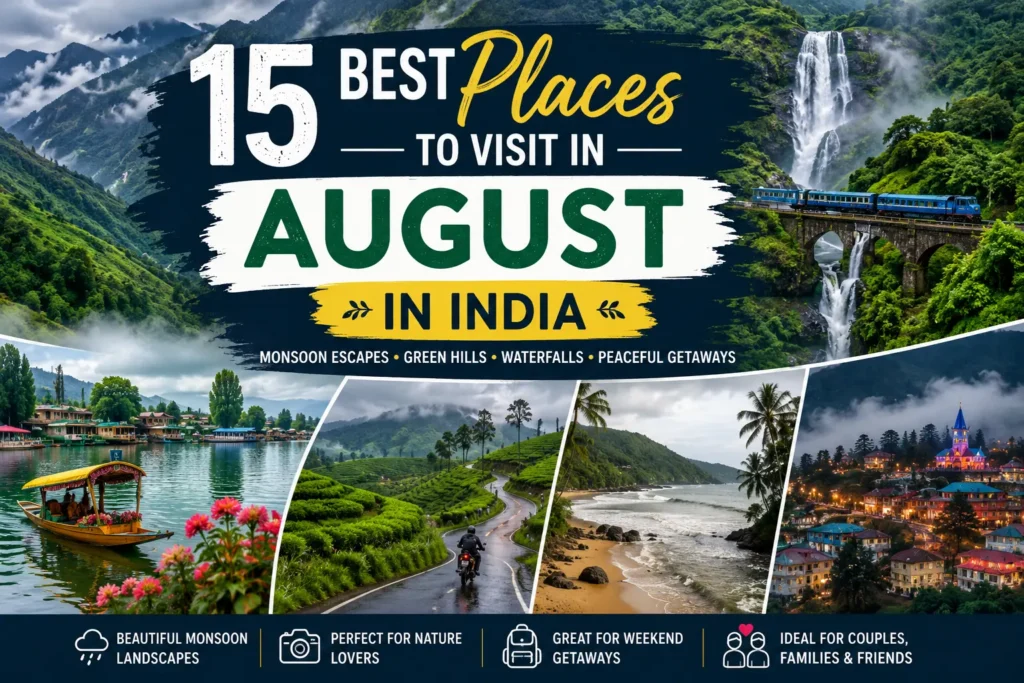
15 Best Places to Visit in August in India for a Monsoon Escape August is one of those months when India looks completely different. The summer heat starts to ease in many parts of the country, hills turn bright green, waterfalls become fuller, and mist covers mountain roads. For many travellers, the monsoon is actually one of the most beautiful times to explore India. You can enjoy peaceful hill stations, lush forests, tea gardens, lakes and waterfalls while avoiding some of the crowds seen during peak travel seasons. However, August is also a month of heavy rainfall in several regions. So, choosing the right destination is important. A place that looks amazing during monsoon may also have slippery roads, landslides or cancelled outdoor activities. If you are wondering about the best places to visit in August in India, this guide will help you choose a destination based on scenery, activities, budget and the kind of trip you want. What Are the Best Places to Visit in August in India? From the green hills of Kerala to the colourful flowers of Uttarakhand, there are plenty of options for an August trip. Here are some of the best destinations to consider. 1. Kerala – Best for a Lush Monsoon Holiday Kerala is one of the first places that comes to mind when talking about monsoon travel in India. The rain gives the state a fresh green appearance. Hills, forests, plantations and backwaters all look beautiful during this season. You can explore Munnar for its tea gardens and misty hills, Alleppey for its famous backwaters and houseboats, or Wayanad if you prefer forests and waterfalls. A Kerala trip in August is less about rushing from one attraction to another and more about enjoying the scenery. Things to do: Stay on a houseboat in Alleppey Explore Munnar’s tea plantations Visit waterfalls in Wayanad Try traditional Kerala food Enjoy an Ayurvedic wellness experience Take scenic drives through the hills Best for: Couples, families and nature lovers. Keep in mind: Heavy rain can affect road journeys and outdoor plans, so keep your itinerary flexible. 2. Coorg, Karnataka – Best for Coffee Plantations and Green Hills Coorg, also called Kodagu, is another beautiful monsoon destination. During August, the hills become incredibly green and the coffee plantations look fresh after the rain. Small streams and waterfalls add to the charm. It is a particularly good choice for people who want a peaceful weekend surrounded by nature. You can spend your mornings exploring plantations and your evenings relaxing at a homestay or resort. Things to do in Coorg: Visit coffee plantations Explore Abbey Falls Visit Raja’s Seat Try local Kodava food Enjoy a plantation stay Explore nearby forests and viewpoints Best for: Couples, families and weekend travellers. Travel tip: Carry waterproof footwear because paths around waterfalls and plantations can become slippery. 3. Lonavala, Maharashtra – Best for a Short Monsoon Getaway If you live in Mumbai or Pune and want a quick escape, Lonavala is an easy option. The hills around Lonavala become green during the monsoon, while waterfalls appear along the roads and valleys. You do not need a long holiday here. A two- or three-day trip can be enough. Popular places include Tiger Point, Rajmachi and several viewpoints around the surrounding hills. Things to do: Visit viewpoints Explore waterfalls Try local snacks such as chikki Take a scenic drive Explore nearby forts Spend a relaxing day at a resort Best for: Weekend trips, couples and families. Important: Avoid getting too close to waterfalls, cliffs or fast-moving streams. Monsoon water levels can rise quickly. Which Hill Stations Are Best to Visit in August? If you want cool weather, misty mountains and greenery, August can be a great time to explore selected Indian hill stations. 4. Munnar, Kerala – Best for Misty Tea Gardens Munnar is beautiful throughout the year, but the monsoon gives it a special atmosphere. The tea-covered hills become bright green, clouds hang over the mountains and small waterfalls appear around the landscape. You can spend your trip enjoying scenic drives, tea plantations and peaceful viewpoints rather than trying to cover too many attractions. Things to do: Visit tea gardens Explore tea museums See waterfalls Enjoy mountain viewpoints Visit Eravikulam National Park when conditions allow Try Kerala-style food Best for: Couples and nature lovers. Tip: Carry a light waterproof jacket and avoid planning every hour of your trip because rain can change your plans. 5. Shillong, Meghalaya – Best for Waterfalls and Greenery Shillong is a fantastic choice if you enjoy rain and dramatic landscapes. Meghalaya is famous for its green hills, waterfalls, caves and living root bridges. During the monsoon, the region can receive very heavy rainfall, which means waterfalls and streams can look spectacular. Nearby destinations such as Cherrapunji can also be included in a longer trip. Things to explore: Elephant Falls Shillong Peak Cherrapunji Living root bridges Local markets Scenic mountain roads Best for: Nature lovers and photographers. Important: August can bring heavy rain, so check local weather and road conditions before travelling. 6. Dharamshala and McLeod Ganj – Best for Mountains and Cafés Dharamshala and McLeod Ganj are good options if you want mountain views combined with a relaxed town atmosphere. You can explore monasteries, enjoy Tibetan food, visit cafés or simply spend time looking at the surrounding hills. However, August is part of the monsoon season in Himachal Pradesh, so mountain travel requires extra planning. Things to do: Visit the Dalai Lama Temple complex Explore monasteries Try Tibetan food Visit Bhagsu Waterfall Explore local cafés Take short nature walks when conditions are safe Best for: Couples, backpackers and travellers looking for a relaxed mountain holiday. 7. Mount Abu, Rajasthan – Best for a Cooler Rajasthan Trip Rajasthan is usually associated with hot summers and dry landscapes, but Mount Abu offers something different. As Rajasthan’s only major hill station, Mount Abu can be a refreshing choice during the monsoon. The surrounding landscape becomes greener, while temperatures are generally more comfortable than

Dalai Lama Temple
Travel Blogs

Dalai Lama Temple

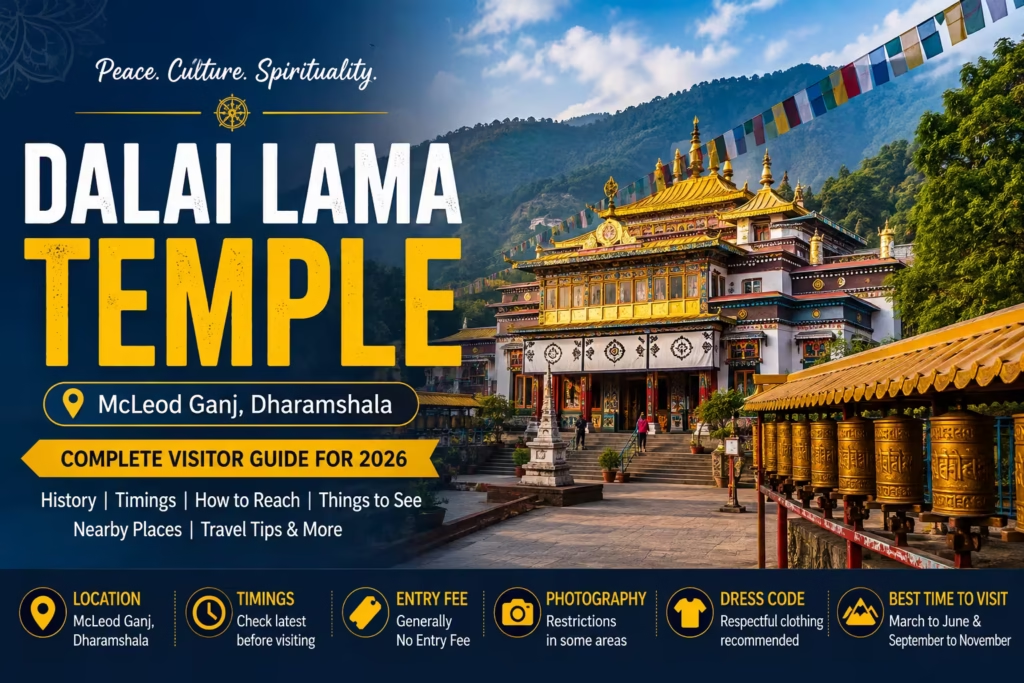
Dalai Lama Temple Dharamshala: Complete Visitor Guide for 2026 If you are planning a trip to Dharamshala or McLeod Ganj, the Dalai Lama Temple is one place you should not miss. Also known as the Tsuglagkhang Complex, this peaceful Buddhist site is more than just a tourist attraction. It is an important spiritual and cultural center for Tibetans living in India. The temple is located in McLeod Ganj, near Dharamshala in Himachal Pradesh. Visitors come here to experience the calm atmosphere, see traditional Tibetan Buddhist practices, spin prayer wheels, and learn more about Tibetan culture. Whether you are visiting Dharamshala for the first time, traveling with friends, or looking for a peaceful place away from busy tourist spots, this guide will help you understand what to expect at the Dalai Lama Temple. What Is the Dalai Lama Temple and Why Is It Famous? The Dalai Lama Temple is part of the Tsuglagkhang Complex, located in McLeod Ganj. It is closely connected with the Tibetan spiritual community and the Dalai Lama’s presence in Dharamshala. The complex has religious, cultural, and historical importance. It attracts both Buddhist followers and travelers who want to understand Tibetan culture. Unlike a typical tourist attraction, the temple is a place of worship and meditation. You may see people quietly walking around the complex, praying, turning prayer wheels, or sitting peacefully. Where is the Dalai Lama Temple located? The temple is in McLeod Ganj, a popular hill destination near Dharamshala in Himachal Pradesh. Its location also makes it convenient to explore several other attractions in McLeod Ganj during the same trip. What is the Tsuglagkhang Complex? The Tsuglagkhang Complex is a major Tibetan religious and cultural center. It includes important religious spaces and is associated with the Tibetan community in McLeod Ganj. The complex is particularly known for its peaceful surroundings and Buddhist traditions. Why is the temple important to Tibetan Buddhism? The temple has strong links to Tibetan Buddhist traditions and the Tibetan community in exile. For visitors, it offers an opportunity to see these traditions respectfully rather than simply viewing them as tourist attractions. What can first-time visitors expect? Expect a quiet and spiritual environment. You may see prayer wheels, Buddhist symbols, religious artwork, and visitors engaged in prayer or meditation. The best approach is to slow down and observe rather than rush through the complex. Dalai Lama Temple History: How Did This Sacred Place Become Important? The story of the Dalai Lama Temple is closely connected with the history of the Tibetan community in India. After the Dalai Lama came to India in 1959, Dharamshala became an important center for Tibetans living in exile. McLeod Ganj later became closely associated with the Tibetan spiritual and cultural community. Over the years, the area developed into a place where Tibetan religion, culture, food, art, and traditions could be experienced. The history of the Dalai Lama and Dharamshala The presence of the Dalai Lama in Dharamshala helped make the town internationally known. Today, visitors from India and around the world travel to McLeod Ganj to learn about Tibetan Buddhism and experience the area’s unique cultural atmosphere. How McLeod Ganj became a Tibetan cultural center McLeod Ganj is home to Tibetan monasteries, restaurants, handicraft shops, cultural institutions, and communities. This gives the area a character that feels different from many other Himalayan tourist destinations. The connection between the temple and the Tibetan community The temple is not simply a historical monument. It remains connected with living religious and cultural practices. That is why visitors should treat the area with respect. How to Visit Dalai Lama Temple in McLeod Ganj Getting to the Dalai Lama Temple McLeod Ganj is relatively straightforward if you are already in Dharamshala or McLeod Ganj. The final part of the journey may involve walking because some areas around McLeod Ganj are narrow and busy. How to reach Dalai Lama Temple from Dharamshala If you are staying in Dharamshala, you can travel toward McLeod Ganj by local taxi or bus, depending on availability. From McLeod Ganj, the temple area can generally be reached on foot or by a short local ride. How to reach the temple from McLeod Ganj market If you are staying near the main McLeod Ganj market, walking can be a convenient option. The area is popular with pedestrians, and walking also gives you a chance to see shops, cafés, Tibetan businesses, and local streets along the way. Can you visit the temple independently? Yes, travelers can generally visit the complex independently without joining a guided tour. However, if you are interested in understanding Tibetan Buddhism or the history of the area in greater detail, a knowledgeable local guide can make the experience more meaningful. What should you know before entering? Remember that this is a religious place. Keep your voice low, follow signs and instructions, dress respectfully, and avoid disturbing people who are praying or meditating. Dalai Lama Temple Timings, Entry Fee and Visitor Rules Before visiting, check the latest official or local information because opening arrangements, access rules, teachings, and special events can change. The Dalai Lama Temple timings should not be treated as permanently fixed information, particularly around major religious events or public teachings. What are the Dalai Lama Temple timings? The temple is generally visited during daytime hours, but exact access and timings can vary. It is best to check current information shortly before your visit rather than relying on an old travel blog or social media post. Is there an entry fee? The temple complex is generally known as a place that visitors can experience without a standard tourist-style entrance ticket. However, rules can change, so verify current information before traveling. Are photography and videography allowed? Photography rules may vary between different areas. Do not photograph people while they are praying without permission, and always follow signs or instructions from temple staff. What clothing and behavior are appropriate? Choose comfortable but respectful clothing. You do not need to dress formally, but extremely revealing clothing is best

Scroll to Top