Travel Blogs

valley of flowers trek india
Travel Blogs

valley of flowers trek india

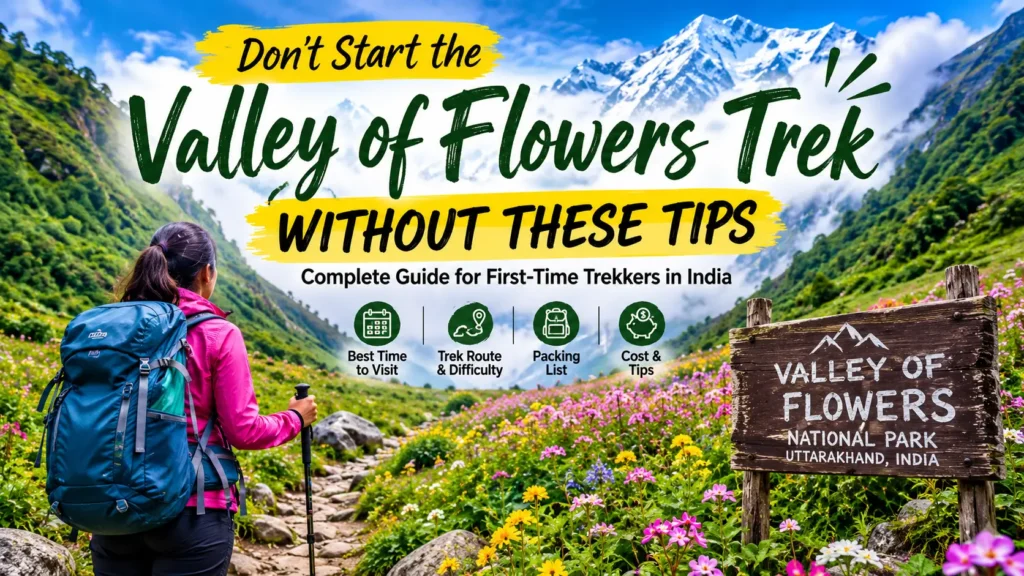
Valley of Flowers Trek India: Complete Guide for First-Time Trekkers If you love mountains, greenery and quiet places, the Valley of Flowers trek in India is one of those journeys that can stay with you for a long time. Located in Uttarakhand’s Chamoli district, the Valley of Flowers National Park is a UNESCO World Heritage Site known for its alpine meadows, Himalayan scenery and rich plant life. (Uttarakhand Tourism) What makes the trek special is not just the flowers. The journey takes you through mountain trails, streams, waterfalls and the small settlement of Ghangaria before you reach the famous valley. Why Is the Valley of Flowers Trek India So Special? The valley sits at around 3,600 metres above sea level and is home to hundreds of plant species. Uttarakhand Tourism lists more than 600 species, including orchids, poppies, primulas, marigolds, daisies and anemones. (Uttarakhand Tourism) The best flower display is generally during July to September, which makes the monsoon months particularly attractive for this trek. (Uttarakhand Tourism) You may also see Himalayan wildlife in the wider protected area, including species such as the Himalayan monal, red fox and Himalayan black bear. (Uttarakhand Tourism) Valley of Flowers Trek India Route For most travellers, the journey starts by road towards Govindghat. From there, you trek towards Ghangaria, which is the main base for the Valley of Flowers and Hemkund Sahib routes. A simple route looks like this: Dehradun/Rishikesh → Govindghat → Ghangaria → Valley of Flowers → Ghangaria → Govindghat Uttarakhand Tourism describes the trek as moderate to challenging. (Uttarakhand Tourism) Govindghat to Ghangaria This is the main approach trek to the base village. The distance is roughly 13–15 km depending on the route/source and current trail arrangements. Ghangaria is situated at about 3,050 metres. (Uttarakhand Tourism) The trail is not just about reaching the destination. You will pass waterfalls, streams and mountain scenery along the way. Ghangaria to Valley of Flowers From Ghangaria, the valley is a shorter trekking section. Uttarakhand Tourism’s itinerary describes it as approximately 4 km from Ghangaria, with the trail passing through forests before opening into the flower-filled landscape. (Uttarakhand Tourism) One important rule is that overnight camping is not allowed inside the Valley of Flowers. Visitors need to return to Ghangaria by the designated closing time. (Uttarakhand Tourism) Best Time to Visit Valley of Flowers If flowers are your main reason for visiting, July to September is generally the period to consider. Uttarakhand Tourism says the flowers are at their maximum abundance during these months. (Uttarakhand Tourism) August can be particularly attractive because the valley is usually full of seasonal flowers and greenery. However, this is also monsoon season, so rain can make trails slippery and road travel more difficult. If you are planning the trek, don’t choose your dates only because of the flowers. Check current weather, road conditions and official park information before leaving. How to Reach Valley of Flowers Trek India You cannot drive directly to the valley. By Road You first need to reach Govindghat, which is connected by road to major towns in Uttarakhand. From Govindghat, the journey continues on foot towards Ghangaria. (Uttarakhand Tourism) By Train Rishikesh is the nearest major railhead listed by Uttarakhand Tourism. From there, you can continue by road towards Govindghat. (Uttarakhand Tourism) By Air Jolly Grant Airport near Dehradun is the nearest airport listed by Uttarakhand Tourism. From the airport, you need to continue by road towards Govindghat. (Uttarakhand Tourism) How Many Days Do You Need? For a comfortable trip, plan around 5–7 days, depending on where you are starting from and whether you want to include Hemkund Sahib. Uttarakhand Tourism currently lists a 6-night, 7-day Govindghat-to-Valley of Flowers itinerary and describes the experience as moderate to challenging. (Uttarakhand Tourism) A longer itinerary gives you more flexibility in case rain or road conditions cause delays. What Should You Pack? You don’t need an enormous backpack, but you do need the right things. Valley of Flowers Trek Packing List Good trekking shoes with proper grip Lightweight rain jacket Warm layers Quick-drying clothes Extra socks Water bottle Sunglasses Sunscreen Personal medicines Small first-aid kit Power bank Waterproof bag or covers ID and required documents The weather can change quickly in the mountains, so carrying layers is much better than relying on one heavy jacket. Is Valley of Flowers Trek India Difficult? The trek is generally considered moderate to challenging, according to Uttarakhand Tourism. (Uttarakhand Tourism) You do not need to be an expert mountaineer, but you should be comfortable walking for several hours on uneven mountain trails. If you rarely exercise, start preparing a few weeks before the trip. Regular walking, stair climbing and basic cardio can help build stamina. Don’t underestimate the altitude either. Take your time, stay hydrated and pay attention to how your body feels. What Makes Ghangaria Important? Ghangaria is more than just a place to sleep. It is the main base for both Valley of Flowers and Hemkund Sahib and is the last inhabited settlement on the trekking route. Uttarakhand Tourism places it at around 3,050 metres. (Uttarakhand Tourism) You can stay here before and after visiting the valley, making it easier to avoid rushing through the trek. Valley of Flowers Trek Cost The final cost depends on your starting city, transport, accommodation, meals and whether you use a trekking operator. As a reference point, Uttarakhand Tourism currently lists a 6-night, 7-day itinerary at about ₹12,000 per person excluding airfares. Another official tourism itinerary lists a shorter package from Haridwar at around ₹9,000 per person. These are official package figures and should not be treated as the exact total cost of every traveller’s trip. (Uttarakhand Tourism) Your actual budget will be higher if you are travelling from another city and paying separately for transport, accommodation and personal expenses. Important Safety Tips The Valley of Flowers is beautiful, but it is still a high-altitude Himalayan trek. Keep these points in mind: Check weather conditions before starting. Don’t ignore local warnings. Avoid walking close

how to plan a trip
Travel Blogs

How to Plan a Trip: Easy Guide for Stress-Free Travel

How to Plan a Trip: A Simple Guide for Stress-Free Travel Planning a trip sounds exciting until you actually have to decide where to stay, how to travel, what to pack, what to see, and how much money to spend. It can quickly become confusing, especially if it is your first time planning a trip yourself. The good news is that trip planning does not have to be complicated. You do not need a perfect itinerary or a spreadsheet with every minute planned. You just need a simple plan that covers the important things and leaves enough room to enjoy the journey. Here is a practical guide on how to plan a trip from start to finish. 1. Decide Where You Want to Go The first step is choosing your destination. Think about what kind of trip you want. Do you want mountains, beaches, history, food, adventure, shopping, or simply a quiet break? For example: Want mountains? Consider Manali, Kashmir, or Sikkim. Want beaches? Goa or Kerala could work. Want a city break? Delhi, Mumbai, or Bengaluru may be better. Want adventure? Look for destinations with trekking, rafting, camping, or other outdoor activities. Also consider your available time. A three-day holiday and a two-week vacation need very different plans. 2. Choose Your Travel Dates Once you have selected a destination, decide when you want to go. This is important because the same place can feel completely different in different seasons. Before booking anything, check: Weather conditions Peak and off-season Public holidays Local festivals Chances of rain or snow Expected tourist crowds If you are travelling on a tight budget, consider travelling during the shoulder or off-season. Hotels and transport can sometimes be cheaper, and popular attractions may be less crowded. 3. Set Your Travel Budget This is probably the most important part of trip planning. Before booking a hotel or flight, decide how much you can comfortably spend. Break your budget into smaller parts: Expense Approx. Budget Transport ₹_____ Hotel ₹_____ Food ₹_____ Local transport ₹_____ Activities ₹_____ Shopping ₹_____ Emergency fund ₹_____ Do not forget small expenses. A few coffees, taxi rides, entrance tickets, and snacks can add up surprisingly quickly. I also recommend keeping 10–15% of your budget as a backup. You may not use it, but having that extra money makes the trip less stressful. 4. Decide How You Will Reach Your Destination Now compare your transport options. Depending on the destination, you may have choices such as: Flight Train Bus Car Taxi Shared transport Do not automatically choose the cheapest option. For example, a ₹2,000 bus may look cheaper than a ₹3,000 flight, but if the bus takes 14 hours and the flight takes 2 hours, the difference may be worth considering. Look at the total cost, travel time, comfort, and convenience before booking. 5. Find the Right Place to Stay Your hotel can have a big impact on your trip. A cheap hotel far away from everything may actually cost you more because you will spend extra money and time on local transport. When choosing accommodation, check: Location Recent guest reviews Price Check-in and check-out times Cancellation policy Breakfast Wi-Fi Parking, if needed Distance from major attractions For a city trip, staying near public transport can be very useful. For a peaceful holiday, you may prefer somewhere away from the busy centre. 6. Make a List of Places You Want to Visit Now comes the fun part. Search for the main attractions, hidden spots, local food places, markets, viewpoints, and activities at your destination. But don’t add everything to your itinerary. Instead, divide your list into three groups: Must visit: Places you really don’t want to miss. Would like to visit: Places you can visit if you have enough time. Optional: Places you will visit only if you are nearby. This simple trick prevents your trip from becoming exhausting. 7. Create a Flexible Itinerary A good itinerary should make your trip easier, not feel like homework. Instead of planning every hour, group nearby places together. For example: Day 1:Hotel check-in → nearby sightseeing → local market → dinner Day 2:Main attraction → lunch → nearby attractions → relaxed evening Day 3:Day trip → return to hotel → free evening This gives you a basic structure without making you feel like you are racing against the clock. Don’t plan too many places in one day One common travel mistake is trying to see everything. You may spend more time in traffic than actually enjoying the destination. Sometimes visiting three places properly is much better than visiting eight places for 20 minutes each. 8. Book the Important Things Once your plan looks realistic, book the things that could sell out or become expensive. Usually, this means: Transport Accommodation Popular activities Entry tickets, if required Local transfers, where necessary Keep your booking confirmations in one place on your phone. It is also useful to keep important details available offline in case your internet connection is poor. 9. Plan Your Local Transportation Many people plan their flight and hotel but forget about getting around once they arrive. Research how you will travel locally. Depending on the destination, you may use: Metro Local buses Auto-rickshaws Taxis Rental cars Scooters Walking For some destinations, renting a vehicle makes sense. For others, public transport is cheaper and easier. Check approximate fares before travelling so you have an idea of what to expect. 10. Pack According to Your Destination Packing becomes much easier when you stop thinking about everything you might need. Instead, ask yourself: What will I actually use? Check the weather and plan your clothes accordingly. For example, a mountain trip may require: Warm layers Comfortable shoes Jacket Socks Moisturizer Sunglasses A beach holiday may need: Light clothes Swimwear Sandals Sunscreen Hat Extra clothes Don’t forget useful basics such as your ID, chargers, medicines you normally need, and some emergency cash. 11. Check the Weather Before Leaving Even if you checked the weather when booking your trip, check it again

places to visit in august in india
Travel Blogs

places to visit in august in india

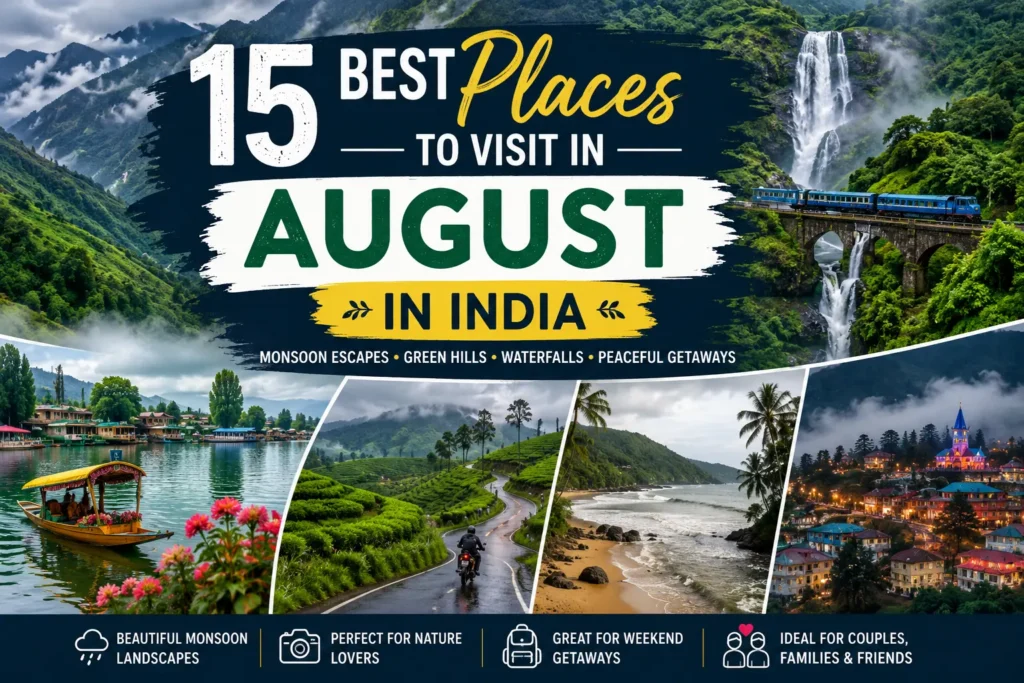
15 Best Places to Visit in August in India for a Monsoon Escape August is one of those months when India looks completely different. The summer heat starts to ease in many parts of the country, hills turn bright green, waterfalls become fuller, and mist covers mountain roads. For many travellers, the monsoon is actually one of the most beautiful times to explore India. You can enjoy peaceful hill stations, lush forests, tea gardens, lakes and waterfalls while avoiding some of the crowds seen during peak travel seasons. However, August is also a month of heavy rainfall in several regions. So, choosing the right destination is important. A place that looks amazing during monsoon may also have slippery roads, landslides or cancelled outdoor activities. If you are wondering about the best places to visit in August in India, this guide will help you choose a destination based on scenery, activities, budget and the kind of trip you want. What Are the Best Places to Visit in August in India? From the green hills of Kerala to the colourful flowers of Uttarakhand, there are plenty of options for an August trip. Here are some of the best destinations to consider. 1. Kerala – Best for a Lush Monsoon Holiday Kerala is one of the first places that comes to mind when talking about monsoon travel in India. The rain gives the state a fresh green appearance. Hills, forests, plantations and backwaters all look beautiful during this season. You can explore Munnar for its tea gardens and misty hills, Alleppey for its famous backwaters and houseboats, or Wayanad if you prefer forests and waterfalls. A Kerala trip in August is less about rushing from one attraction to another and more about enjoying the scenery. Things to do: Stay on a houseboat in Alleppey Explore Munnar’s tea plantations Visit waterfalls in Wayanad Try traditional Kerala food Enjoy an Ayurvedic wellness experience Take scenic drives through the hills Best for: Couples, families and nature lovers. Keep in mind: Heavy rain can affect road journeys and outdoor plans, so keep your itinerary flexible. 2. Coorg, Karnataka – Best for Coffee Plantations and Green Hills Coorg, also called Kodagu, is another beautiful monsoon destination. During August, the hills become incredibly green and the coffee plantations look fresh after the rain. Small streams and waterfalls add to the charm. It is a particularly good choice for people who want a peaceful weekend surrounded by nature. You can spend your mornings exploring plantations and your evenings relaxing at a homestay or resort. Things to do in Coorg: Visit coffee plantations Explore Abbey Falls Visit Raja’s Seat Try local Kodava food Enjoy a plantation stay Explore nearby forests and viewpoints Best for: Couples, families and weekend travellers. Travel tip: Carry waterproof footwear because paths around waterfalls and plantations can become slippery. 3. Lonavala, Maharashtra – Best for a Short Monsoon Getaway If you live in Mumbai or Pune and want a quick escape, Lonavala is an easy option. The hills around Lonavala become green during the monsoon, while waterfalls appear along the roads and valleys. You do not need a long holiday here. A two- or three-day trip can be enough. Popular places include Tiger Point, Rajmachi and several viewpoints around the surrounding hills. Things to do: Visit viewpoints Explore waterfalls Try local snacks such as chikki Take a scenic drive Explore nearby forts Spend a relaxing day at a resort Best for: Weekend trips, couples and families. Important: Avoid getting too close to waterfalls, cliffs or fast-moving streams. Monsoon water levels can rise quickly. Which Hill Stations Are Best to Visit in August? If you want cool weather, misty mountains and greenery, August can be a great time to explore selected Indian hill stations. 4. Munnar, Kerala – Best for Misty Tea Gardens Munnar is beautiful throughout the year, but the monsoon gives it a special atmosphere. The tea-covered hills become bright green, clouds hang over the mountains and small waterfalls appear around the landscape. You can spend your trip enjoying scenic drives, tea plantations and peaceful viewpoints rather than trying to cover too many attractions. Things to do: Visit tea gardens Explore tea museums See waterfalls Enjoy mountain viewpoints Visit Eravikulam National Park when conditions allow Try Kerala-style food Best for: Couples and nature lovers. Tip: Carry a light waterproof jacket and avoid planning every hour of your trip because rain can change your plans. 5. Shillong, Meghalaya – Best for Waterfalls and Greenery Shillong is a fantastic choice if you enjoy rain and dramatic landscapes. Meghalaya is famous for its green hills, waterfalls, caves and living root bridges. During the monsoon, the region can receive very heavy rainfall, which means waterfalls and streams can look spectacular. Nearby destinations such as Cherrapunji can also be included in a longer trip. Things to explore: Elephant Falls Shillong Peak Cherrapunji Living root bridges Local markets Scenic mountain roads Best for: Nature lovers and photographers. Important: August can bring heavy rain, so check local weather and road conditions before travelling. 6. Dharamshala and McLeod Ganj – Best for Mountains and Cafés Dharamshala and McLeod Ganj are good options if you want mountain views combined with a relaxed town atmosphere. You can explore monasteries, enjoy Tibetan food, visit cafés or simply spend time looking at the surrounding hills. However, August is part of the monsoon season in Himachal Pradesh, so mountain travel requires extra planning. Things to do: Visit the Dalai Lama Temple complex Explore monasteries Try Tibetan food Visit Bhagsu Waterfall Explore local cafés Take short nature walks when conditions are safe Best for: Couples, backpackers and travellers looking for a relaxed mountain holiday. 7. Mount Abu, Rajasthan – Best for a Cooler Rajasthan Trip Rajasthan is usually associated with hot summers and dry landscapes, but Mount Abu offers something different. As Rajasthan’s only major hill station, Mount Abu can be a refreshing choice during the monsoon. The surrounding landscape becomes greener, while temperatures are generally more comfortable than

Dalai Lama Temple
Travel Blogs

Dalai Lama Temple

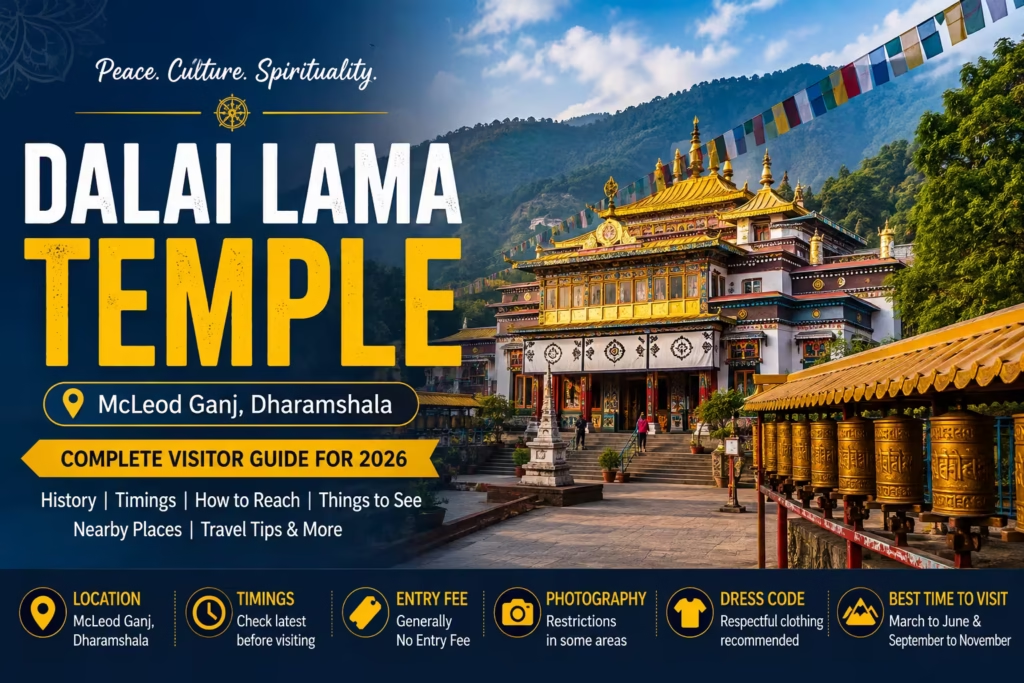
Dalai Lama Temple Dharamshala: Complete Visitor Guide for 2026 If you are planning a trip to Dharamshala or McLeod Ganj, the Dalai Lama Temple is one place you should not miss. Also known as the Tsuglagkhang Complex, this peaceful Buddhist site is more than just a tourist attraction. It is an important spiritual and cultural center for Tibetans living in India. The temple is located in McLeod Ganj, near Dharamshala in Himachal Pradesh. Visitors come here to experience the calm atmosphere, see traditional Tibetan Buddhist practices, spin prayer wheels, and learn more about Tibetan culture. Whether you are visiting Dharamshala for the first time, traveling with friends, or looking for a peaceful place away from busy tourist spots, this guide will help you understand what to expect at the Dalai Lama Temple. What Is the Dalai Lama Temple and Why Is It Famous? The Dalai Lama Temple is part of the Tsuglagkhang Complex, located in McLeod Ganj. It is closely connected with the Tibetan spiritual community and the Dalai Lama’s presence in Dharamshala. The complex has religious, cultural, and historical importance. It attracts both Buddhist followers and travelers who want to understand Tibetan culture. Unlike a typical tourist attraction, the temple is a place of worship and meditation. You may see people quietly walking around the complex, praying, turning prayer wheels, or sitting peacefully. Where is the Dalai Lama Temple located? The temple is in McLeod Ganj, a popular hill destination near Dharamshala in Himachal Pradesh. Its location also makes it convenient to explore several other attractions in McLeod Ganj during the same trip. What is the Tsuglagkhang Complex? The Tsuglagkhang Complex is a major Tibetan religious and cultural center. It includes important religious spaces and is associated with the Tibetan community in McLeod Ganj. The complex is particularly known for its peaceful surroundings and Buddhist traditions. Why is the temple important to Tibetan Buddhism? The temple has strong links to Tibetan Buddhist traditions and the Tibetan community in exile. For visitors, it offers an opportunity to see these traditions respectfully rather than simply viewing them as tourist attractions. What can first-time visitors expect? Expect a quiet and spiritual environment. You may see prayer wheels, Buddhist symbols, religious artwork, and visitors engaged in prayer or meditation. The best approach is to slow down and observe rather than rush through the complex. Dalai Lama Temple History: How Did This Sacred Place Become Important? The story of the Dalai Lama Temple is closely connected with the history of the Tibetan community in India. After the Dalai Lama came to India in 1959, Dharamshala became an important center for Tibetans living in exile. McLeod Ganj later became closely associated with the Tibetan spiritual and cultural community. Over the years, the area developed into a place where Tibetan religion, culture, food, art, and traditions could be experienced. The history of the Dalai Lama and Dharamshala The presence of the Dalai Lama in Dharamshala helped make the town internationally known. Today, visitors from India and around the world travel to McLeod Ganj to learn about Tibetan Buddhism and experience the area’s unique cultural atmosphere. How McLeod Ganj became a Tibetan cultural center McLeod Ganj is home to Tibetan monasteries, restaurants, handicraft shops, cultural institutions, and communities. This gives the area a character that feels different from many other Himalayan tourist destinations. The connection between the temple and the Tibetan community The temple is not simply a historical monument. It remains connected with living religious and cultural practices. That is why visitors should treat the area with respect. How to Visit Dalai Lama Temple in McLeod Ganj Getting to the Dalai Lama Temple McLeod Ganj is relatively straightforward if you are already in Dharamshala or McLeod Ganj. The final part of the journey may involve walking because some areas around McLeod Ganj are narrow and busy. How to reach Dalai Lama Temple from Dharamshala If you are staying in Dharamshala, you can travel toward McLeod Ganj by local taxi or bus, depending on availability. From McLeod Ganj, the temple area can generally be reached on foot or by a short local ride. How to reach the temple from McLeod Ganj market If you are staying near the main McLeod Ganj market, walking can be a convenient option. The area is popular with pedestrians, and walking also gives you a chance to see shops, cafés, Tibetan businesses, and local streets along the way. Can you visit the temple independently? Yes, travelers can generally visit the complex independently without joining a guided tour. However, if you are interested in understanding Tibetan Buddhism or the history of the area in greater detail, a knowledgeable local guide can make the experience more meaningful. What should you know before entering? Remember that this is a religious place. Keep your voice low, follow signs and instructions, dress respectfully, and avoid disturbing people who are praying or meditating. Dalai Lama Temple Timings, Entry Fee and Visitor Rules Before visiting, check the latest official or local information because opening arrangements, access rules, teachings, and special events can change. The Dalai Lama Temple timings should not be treated as permanently fixed information, particularly around major religious events or public teachings. What are the Dalai Lama Temple timings? The temple is generally visited during daytime hours, but exact access and timings can vary. It is best to check current information shortly before your visit rather than relying on an old travel blog or social media post. Is there an entry fee? The temple complex is generally known as a place that visitors can experience without a standard tourist-style entrance ticket. However, rules can change, so verify current information before traveling. Are photography and videography allowed? Photography rules may vary between different areas. Do not photograph people while they are praying without permission, and always follow signs or instructions from temple staff. What clothing and behavior are appropriate? Choose comfortable but respectful clothing. You do not need to dress formally, but extremely revealing clothing is best

honeymoon destinations in India
Travel Blogs

honeymoon destinations in India

Top 10 Honeymoon Destinations in India for a Romantic Getaway Planning your honeymoon is exciting, but choosing where to go can be surprisingly difficult. India has everything from snow-covered mountains and peaceful backwaters to beautiful beaches, royal palaces, and adventurous escapes. With so many choices, it is easy to feel confused about where to spend those special first days together. The good news is that you do not have to travel abroad for a memorable honeymoon. Some of the top honeymoon destinations in India offer beautiful scenery, romantic hotels, exciting activities, delicious food, and experiences that you will remember for years. Whether you dream of waking up to Himalayan views, relaxing on a beach, staying on a houseboat, or enjoying a royal evening beside a lake, there is an Indian destination for you. Here are 10 of the best honeymoon places in India, along with the best time to visit, things to do, approximate budgets, and tips to help you choose the right one. Quick tip: Your actual honeymoon cost depends on your starting city, hotel, travel dates, transport and activities. Treat the budgets below as general estimates rather than fixed prices. What Are the Top 10 Honeymoon Destinations in India? There is no single destination that is perfect for every couple. Some couples want mountains and cold weather, while others would rather spend their honeymoon near the sea. Here are 10 destinations that offer very different honeymoon experiences. 1. Kashmir – Best for Snowy Mountain Romance If your idea of a perfect honeymoon includes snow-covered mountains, peaceful lakes and beautiful valleys, Kashmir is hard to beat. Srinagar, Gulmarg and Pahalgam are some of the most popular places for couples. You can enjoy a shikara ride on Dal Lake, stay in a houseboat, walk through beautiful gardens or simply spend an afternoon enjoying the mountain scenery. Gulmarg is especially popular during winter because of its snow-covered landscape and winter activities. Pahalgam, on the other hand, is a great choice if you want peaceful valleys and nature. Best experiences for couples: Shikara ride on Dal Lake Staying in a traditional houseboat Exploring Pahalgam Enjoying snow in Gulmarg Taking scenic drives through the valleys Having a quiet dinner with a mountain view Best time to visit: Depends on the experience you want. Winter is ideal for snow, while spring and summer are better for pleasant weather and green landscapes. Approximate budget: ₹50,000–₹1 lakh or more for two people for around 5–7 days. Best for: Couples who love mountains, snow, photography and peaceful scenery. 2. Kerala – Best for a Relaxing Honeymoon Kerala is a wonderful choice if you want your honeymoon to be slow, peaceful and relaxing. One of the best things about Kerala is that you can combine several experiences in one trip. You could spend a few days among the tea gardens of Munnar, enjoy a houseboat stay in Alleppey and then relax near the beaches of Kovalam. A Kerala honeymoon does not need to be packed with activities. Sometimes the best part is simply sitting together on a houseboat, watching the water and enjoying a quiet evening. Romantic things to do in Kerala: Stay overnight on an Alleppey houseboat Walk through Munnar’s tea gardens Watch the sunset Enjoy a couple’s spa treatment Explore local food Relax at a beach resort Best time to visit: October to March is generally popular for a comfortable holiday, although Kerala can be visited in different seasons depending on the experience you want. Approximate budget: ₹40,000–₹80,000 for two people for 5–7 days. Best for: Couples looking for relaxation, nature, houseboats and a slower holiday. 3. Goa – Best for a Beach Honeymoon For couples who imagine their honeymoon with beaches, sunsets, good food and a relaxed atmosphere, Goa is an easy choice. Goa gives you plenty of options. You can stay at a luxury beach resort, spend the afternoon relaxing by the sea, explore local cafés or watch the sunset together. North Goa is generally more lively, while South Goa is often preferred by couples looking for a quieter and more relaxed atmosphere. You can also mix relaxation with adventure by trying water sports, exploring beaches or taking a scooter ride around the state. Romantic things to do in Goa: Watch the sunset together Enjoy a beachside dinner Explore quieter beaches Take a couple’s cruise Try local Goan food Stay at a romantic resort Best time to visit: November to February is a popular period because of the pleasant weather. Approximate budget: ₹35,000–₹75,000 for two people for 4–6 days. Best for: Beach lovers, food lovers and couples who enjoy a mix of relaxation and nightlife. 4. Andaman & Nicobar Islands – Best for a Tropical Honeymoon If you want your honeymoon to feel like a tropical escape, the Andaman & Nicobar Islands are worth considering. Clear water, beaches, island scenery and water activities make this destination especially attractive for couples. Havelock Island, now officially known as Swaraj Dweep, is one of the most popular areas for tourists. Couples can spend their days relaxing on the beach or trying activities such as snorkeling and scuba diving. The biggest advantage of an Andaman honeymoon is that it can feel very different from a regular city holiday. Romantic experiences include: Sunset at the beach Snorkeling together Scuba diving Island hopping Staying at a beach resort Enjoying a private dinner Best time to visit: October to May is generally considered a popular period for tourism. Approximate budget: ₹60,000–₹1 lakh or more for two people for around 5–7 days. Best for: Couples looking for beaches, water activities and a more tropical honeymoon. Which Other Romantic Honeymoon Places in India Should Couples Consider? India’s honeymoon options do not end with beaches and mountains. If you want something different, you can choose a royal city, a desert destination or a peaceful northeastern state. 5. Udaipur – Best for a Royal Honeymoon Udaipur feels like it was made for romantic trips. Known for its lakes, palaces and beautiful architecture, the city

top 10 restaurants in delhi ncr
Travel Blogs

Top 10 Restaurants in Delhi NCR: Best Places to Eat in 2026

Top 10 Restaurants in Delhi NCR: Best Places to Eat in 2026 Delhi NCR is a dream destination for food lovers. From rich Mughlai dishes and traditional North Indian food to modern Indian cuisine, Asian food and fine dining, you can find almost every kind of meal here. But with so many restaurants to choose from, finding the right one can be confusing. Should you pick a famous five-star restaurant, a modern Indian restaurant, or a place that gives you great food without spending too much? To make the choice easier, we have put together this guide to the top 10 restaurants in Delhi NCR. The list looks at food quality, dining experience, cuisine, location, reputation, value and what makes each restaurant different. Whether you are planning a date, family dinner, birthday, business meal or simply want to try somewhere special, these restaurants are worth considering. Quick note: Restaurant menus, prices, timings and availability can change. Always check the restaurant’s current information before visiting. What Are the Top 10 Restaurants in Delhi NCR Right Now? There is no single restaurant that is perfect for everyone. Some are famous for traditional Indian food, while others are better for modern dishes or international cuisine. Here are 10 restaurants that stand out for different reasons in Delhi NCR. 1. Indian Accent – Best for Modern Indian Fine Dining If you want to experience Indian food in a completely different way, Indian Accent is one of the most interesting choices in Delhi. Located at The Lodhi in New Delhi, the restaurant is known for modern Indian cuisine. Instead of simply serving traditional dishes, it combines familiar Indian flavours with creative techniques and presentation. It has also received major recognition over the years. The 2025 Condé Nast Traveler and District Top Restaurant Awards included Indian Accent among India’s notable restaurants. This is a good choice when you want more than just dinner. The restaurant works particularly well for special occasions, celebrations and people who enjoy tasting menus. Best for: Special occasions, couples and food loversCuisine: Modern IndianPrice: PremiumLocation: The Lodhi, Lodhi Road, New Delhi Why visit?The biggest attraction is the creative approach to Indian food. It is a place where familiar flavours can appear in combinations you may not expect. 2. Bukhara – Best for Classic North-West Frontier Food Some restaurants become famous because of trends. Bukhara is different. It has built its reputation over decades. Located at ITC Maurya in Chanakyapuri, Bukhara focuses on North-West Frontier cuisine. Its rustic atmosphere, open-style cooking and tandoor-based dishes are a major part of the experience. The restaurant has been operating since 1978 and is particularly known for dishes such as Dal Bukhara, tandoori kebabs and large naan breads. Current listings put the approximate cost at around ₹8,000 for two, although the final bill can vary. Best for: Traditional Indian food and special occasionsCuisine: North-West Frontier, North IndianPrice: PremiumLocation: ITC Maurya, Chanakyapuri What should you try?Dal Bukhara and tandoor-cooked dishes are among the restaurant’s best-known choices. If you are visiting for the first time, booking ahead is a smart idea, especially during busy dinner hours. 3. Dum Pukht – Best for Elegant Awadhi Dining If you enjoy slow-cooked Indian food, Dum Pukht is a restaurant worth considering. Also located at ITC Maurya, Dum Pukht specialises in Awadhi-style cuisine. The cooking style focuses on slow cooking, rich flavours and carefully prepared dishes. The restaurant is a good option when you want a formal dining experience rather than a quick meal. Best for: Fine dining, family celebrations and formal dinnersCuisine: Awadhi and North IndianPrice: PremiumLocation: ITC Maurya, Chanakyapuri Why is it special? The restaurant focuses on traditional cooking techniques while presenting them in an upscale setting. It is particularly suitable for people who enjoy rich Indian gravies, kebabs and slow-cooked dishes. 4. Loya – Best for Exploring Northern Indian Flavours Loya at Taj Palace is another strong option for people who want to explore Indian food beyond the usual restaurant menu. The restaurant focuses on the culinary traditions of northern India, including flavours from the Himalayas, Punjab and Kashmir. Taj describes Loya as a journey through northern Indian culinary heritage, with traditional techniques and heirloom ingredients playing an important role. One of its interesting features is the glass-fronted kitchen, where guests can see parts of the cooking process. Best for: Indian food lovers and special occasionsCuisine: North Indian subcontinentPrice: PremiumLocation: Taj Palace, Diplomatic Enclave What makes Loya different? It does not simply focus on the most common North Indian dishes. The idea is to introduce diners to older cooking traditions and regional flavours. 5. Comorin – Best for Modern Indian Food in Gurgaon Delhi NCR is much bigger than Delhi itself, and Gurgaon has become an important food destination. Comorin in Gurugram is a good example of this change. The restaurant brings together different Indian flavours with a modern approach. Current restaurant listings place Comorin on Golf Course Road and show it as a highly rated option serving North Indian, modern Indian, South Indian and seafood dishes. Recent local diner discussions have also highlighted dishes such as Dal Pakwan, Andhra Gongura Chicken, mutton seekh kebab and green chilli prawns. These are personal recommendations rather than an official menu ranking, so it is still best to check the current menu before ordering. Best for: Modern Indian food and group diningCuisine: Indian, modern Indian, South Indian and seafoodPrice: Mid-range to premiumLocation: Golf Course Road, Gurugram Why visit? Comorin is a good choice if you want Indian food that feels familiar but still gives you something new to try. 6. Kheer – Best for a Grand Indian Dining Experience Kheer at Roseate House New Delhi combines Indian cuisine with an impressive setting. The restaurant focuses on North-West Frontier cuisine and has live tandoor and street-food elements. Its interiors are designed to feel luxurious, with handcrafted details, lights and a large dining area. According to Roseate House, Kheer can accommodate up to 250 guests. Dinner is currently served daily, while weekend lunch is

adventure island
Travel Blogs

adventure island

Adventure Island Rohini Delhi: Rides, Ticket Price, Timings & Complete Guide 2026 Planning a fun day out in Delhi with your friends, family, or children? Adventure Island Rohini Delhi is one of the popular amusement parks in the city for people who enjoy exciting rides, family attractions, water activities, and a lively day outdoors. Located in Sector 10, Rohini, the park is especially convenient for visitors using the Delhi Metro because Rithala Metro Station is only about 500 metres away. This makes it possible to reach the park without spending a lot of time in traffic. But before you plan your visit, you probably want to know the important details: How much is the ticket? What are the timings? Which rides are available? How do you reach Adventure Island by metro? Is it good for children? This complete guide covers everything you should know before visiting Adventure Island Delhi in 2026. What Is Adventure Island Rohini Delhi and Is It Worth Visiting? Adventure Island Rohini Delhi is an amusement park located in Sector 10, Rohini, opposite Rithala Metro Station. It offers a mix of thrill rides, family attractions, children’s rides, water-based activities, and entertainment. The park is part of the larger Metro Walk complex, so visitors can also spend time shopping, eating, or relaxing nearby after enjoying the rides. Adventure Island can be a good choice if you are looking for a one-day outing in Delhi without travelling too far outside the city. Who should visit Adventure Island? The park can work well for different types of visitors: Families looking for a day out with children Teenagers who enjoy thrill rides Groups of friends Couples looking for a fun outing People searching for an amusement park in Rohini or North Delhi One important thing to remember is that not every ride is suitable for everyone. Ride access can depend on height and safety requirements, so check the rules before getting excited about a particular attraction. Is Adventure Island worth visiting? It depends on what you expect. If you enjoy amusement-park rides and want a place that is easy to reach by metro, Adventure Island can be a convenient option. However, your experience may also depend on crowd levels, weather, ride availability, food expenses, and how many attractions you actually use. For the best experience, plan your visit instead of arriving without knowing the park timings, ticket price, and ride restrictions. Adventure Island Rohini Delhi Ticket Price 2026: How Much Does It Cost? Ticket price is one of the first things most visitors want to know before planning a trip. According to the park’s official information, the standard Adventure Island ticket price is currently ₹700 for adults, children, and senior citizens. The listed standard ticket provides unlimited access to eligible rides. However, prices and offers can change, so it is always smart to check the official booking information before your visit. Is the ticket price the same for everyone? The current standard admission information lists the same ₹700 price for adults, children, and senior citizens. However, this does not necessarily mean that every activity inside the park is included. Some attractions may have separate charges. For example, the park’s official FAQ states that boating is not included in the regular entry ticket. Are all rides included in the ticket? The standard ticket provides access to eligible rides, but certain activities can have separate charges. This is why you should not assume that your entry ticket covers every single activity inside the park. Before visiting, check: Current ticket price Included rides Paid attractions Available offers Current park rules How can you save money? If you want to keep your outing affordable, plan your total budget instead of looking only at the entry ticket. Your actual spending may include: Entry ticket Food and drinks Transport Paid activities Shopping Parking, if applicable Booking or checking official offers before travelling may also help you find better deals when available. Adventure Island Timings 2026: When Does the Park Open and Close? According to the official park information, Adventure Island is currently open from 11:00 AM to 7:00 PM. The official ticket-counter timing is listed as 10:30 AM to 6:00 PM. Because operating hours can change during special occasions, maintenance, or other circumstances, check the latest information before leaving home. What time should you arrive? If you want to enjoy several rides, arriving close to opening time is usually a better idea. Starting early gives you more time to: Enter without rushing Plan your rides Enjoy popular attractions Take breaks Have lunch Explore other areas nearby If you arrive late in the afternoon, you may have less time to enjoy the park. Is Adventure Island open on weekends? Adventure Island operates as an amusement park for visitors throughout its scheduled operating days, but timings and operations can change. Weekends and holidays can also be busier than normal days. If you prefer a quieter experience, a weekday may be more comfortable when your schedule allows. Adventure Island Rohini Rides: Which Rides Should You Try First? The rides are the main reason many people visit Adventure Island. According to the park’s official FAQ, Adventure Island has 23 rides, with access based mainly on rider height and safety requirements. The exact availability of individual attractions can change, so check the current ride information before your visit. Which Adventure Island rides are best for thrill seekers? If you enjoy fast, spinning, or exciting rides, start with the attractions that match your height and safety requirements. A useful strategy is to try your must-do thrill rides earlier in the day. This can help because popular rides may develop longer queues during busy periods. Which rides are good for families? Families can choose from attractions that are less intense than the major thrill rides. Parents should check the height requirements before taking children to a ride. This is especially important if your child has a particular ride in mind. Which rides are suitable for children? Adventure Island also has attractions designed for

Best Time to Visit Kashmir
Travel Blogs

Best Time to Visit Kashmir (2026): Complete Seasonal Travel Guide for Every Traveler

Best Time to Visit Kashmir (2026): Complete Seasonal Travel Guide for Every Traveler Kashmir is often called “Paradise on Earth,” and for good reason. Snow-covered mountains, colorful gardens, peaceful lakes, and green valleys make it one of the most beautiful travel destinations in India. But one question every traveler asks is: What is the best time to visit Kashmir? The answer depends on what you want to experience. Some people dream of seeing fresh snowfall, while others want to enjoy blooming tulips or cool summer weather. Every season in Kashmir has its own charm. In this guide, you’ll learn about Kashmir’s weather, the best months to visit, seasonal activities, travel costs, and expert tips to help you plan a memorable trip in 2026. Best Time to Visit Kashmir: Which Season Is Perfect for You? The best time to visit Kashmir is generally March to October because the weather is pleasant, the valleys are green, and most tourist attractions are open. However, if you want to enjoy snowfall and winter sports, December to February is the perfect time. Here’s a quick overview: Spring (March–May): Best for tulips, flowers, and sightseeing. Summer (June–August): Best for family vacations and escaping the heat. Autumn (September–November): Best for photography and peaceful travel. Winter (December–February): Best for snowfall, skiing, and honeymoon trips. No matter when you visit, Kashmir offers unforgettable views and unique experiences. Kashmir Weather by Season Understanding Kashmir’s weather makes it easier to choose the right time for your trip. Spring (March to May) Spring is one of the most beautiful seasons in Kashmir. The famous Tulip Garden comes alive with millions of colorful flowers, fruit trees start blooming, and the weather becomes pleasant. Temperature: 10°C to 20°C Perfect for: Garden visits Nature walks Photography Family holidays Summer (June to August) Summer is the busiest tourist season because temperatures remain comfortable while most parts of India experience extreme heat. Temperature: 15°C to 30°C Perfect for: Shikara rides Houseboat stays Trekking Sightseeing Family vacations Autumn (September to November) Autumn transforms Kashmir into a colorful paradise. The famous Chinar trees turn shades of red, orange, and gold, creating breathtaking landscapes. Temperature: 8°C to 20°C Perfect for: Photography Peaceful vacations Nature lovers Budget travelers Winter (December to February) Winter brings heavy snowfall, especially in Gulmarg, Sonamarg, and Pahalgam. This is the best season if you love snow. Temperature: -5°C to 10°C Perfect for: Skiing Snowboarding Snowfall experiences Honeymoon trips Month-by-Month Guide to Visiting Kashmir January to February These are the coldest months with heavy snowfall. Gulmarg becomes one of India’s best skiing destinations. March Flowers begin to bloom, and the weather starts becoming pleasant. April This is the famous Tulip Festival season. The Indira Gandhi Memorial Tulip Garden looks spectacular. May One of the best months for sightseeing and outdoor activities. June Perfect weather makes it one of the busiest travel months. July and August Green valleys, cool temperatures, and fewer crowds than June. September Fresh air, fewer tourists, and beautiful landscapes. October Autumn colors reach their peak, making it ideal for photography. November A quieter month with lower hotel prices and chilly evenings. December The first major snowfall begins, especially in higher-altitude areas. Best Time to Visit Kashmir for Snowfall If seeing snow is your dream, plan your trip between late December and February. Popular snow destinations include: Gulmarg Sonamarg Pahalgam Winter activities you can enjoy include: Skiing Snowboarding Snowmobile rides Gondola rides Snow photography Remember to carry waterproof shoes, gloves, thermal clothing, and jackets to stay warm. Best Time to Visit Kashmir for Flowers and Natural Beauty Spring is the season when Kashmir truly lives up to its nickname. Between March and April, colorful tulips cover the gardens, almond blossoms decorate the valleys, and Mughal gardens look fresh and vibrant. Nature lovers should also visit: Nishat Bagh Shalimar Bagh Chashme Shahi Tulip Garden Early mornings offer the best light for photography and peaceful walks. Best Time to Visit Kashmir for Different Activities Different seasons are perfect for different experiences. Trekking May to September offers the best weather for trekking and mountain trails. Shikara Ride March to October provides calm weather for enjoying Dal Lake and Nigeen Lake. Gondola Ride Available throughout the year, but winter offers magical snowy views. Adventure Sports Summer is ideal for river rafting, camping, mountain biking, and hiking. How to Choose the Best Time to Visit Kashmir Based on Your Budget Travel costs change depending on the season. Peak Season April to June and December attract the highest number of tourists. Expect: Higher hotel prices Expensive flights Crowded attractions Budget Season September, October, and November often offer better hotel deals and fewer crowds. To save money: Book flights at least two months in advance. Travel on weekdays. Compare hotel prices before booking. Visit during the shoulder season for better discounts. Festivals and Cultural Experiences Kashmir’s local culture makes every trip even more memorable. Some popular festivals include: Tulip Festival Held every spring, this festival celebrates Asia’s largest tulip garden. Apple Harvest Season Autumn is the best time to visit apple orchards and taste fresh fruits. Winter Celebrations Snow festivals and local cultural events make winter special for visitors. Don’t forget to try local dishes such as: Rogan Josh Dum Aloo Yakhni Kahwa tea Gushtaba These traditional foods give you a true taste of Kashmiri culture. Step-by-Step Guide to Planning Your Kashmir Trip Planning your trip becomes easier when you follow these simple steps: Decide which season matches your travel goals. Set your travel budget. Book flights and hotels early. Prepare a 5–7 day itinerary. Pack clothes suitable for the season. Check weather updates before departure. Keep emergency contacts and travel documents ready. A little planning can save both time and money. Frequently Asked Questions What is the best month to visit Kashmir? April and May are considered the best months because of pleasant weather and blooming flowers. Which month has the best snowfall? January usually receives the heaviest snowfall. Is Kashmir safe to visit in 2026? Yes. Most tourist destinations

aravalli ranges mountains
Travel Blogs

Aravalli Ranges Mountains: Complete Guide to India’s Oldest Mountain Range (2026)

Aravalli Ranges Mountains: Complete Guide to India’s Oldest Mountain Range (2026) The Aravalli Ranges Mountains are one of the most amazing natural landmarks in India. They are known as the oldest mountain range in the country and one of the oldest mountain systems in the world. These mountains have stood for billions of years and have witnessed the Earth’s changing landscapes. The Aravalli Range stretches for about 670 kilometers, starting from Gujarat, passing through Rajasthan, Haryana, and ending near Delhi. Besides their beauty, these mountains help protect the environment, support wildlife, and provide water to nearby areas. Whether you are a student, a traveler, or someone who loves nature, this guide will help you understand everything about the Aravalli Mountains in simple language. What Are the Aravalli Ranges Mountains? The Aravalli Ranges are a chain of old mountains in northwestern India. Experts believe they were formed around 1.5 to 2 billion years ago, making them much older than the Himalayas. Quick Facts Length: About 670 km Highest Peak: Guru Shikhar (1,722 meters) States Covered: Gujarat, Rajasthan, Haryana, and Delhi Famous For: Wildlife, forests, trekking, and ancient geology The Aravalli Range acts as a natural barrier that slows the spread of the Thar Desert toward eastern India. History and Formation of the Aravalli Mountains The Aravalli Mountains were created when large pieces of the Earth’s crust collided billions of years ago. Over time, wind, rain, and changing weather slowly wore down these mountains. That is why they are not as tall as younger mountain ranges like the Himalayas. Today, the Aravalli Range is studied by geologists because it helps them understand the Earth’s ancient history. Many valuable minerals like marble, granite, copper, zinc, and lead are also found here. Where Are the Aravalli Ranges Located? The Aravalli Mountains begin near Palanpur in Gujarat and continue through Rajasthan, Haryana, and finally reach the Delhi Ridge. Some popular places located in or near the Aravalli Range include: Mount Abu Udaipur Alwar Sariska Kumbhalgarh Delhi Ridge The highest point of the Aravalli Range is Guru Shikhar, located near Mount Abu in Rajasthan. It is a favorite destination for nature lovers and photographers because of its beautiful views. Why Are the Aravalli Mountains Important? The Aravalli Range is much more than just a mountain chain. It plays an important role in protecting nature and supporting life. Stops Desert Expansion The mountains help reduce the movement of sand from the Thar Desert towards eastern India. Supports Groundwater The forests and rocks allow rainwater to seep into the ground, helping recharge underground water sources. Home to Wildlife Many animals and birds depend on these forests for food and shelter. Improves Climate The Aravalli forests help reduce pollution, improve air quality, and maintain local temperatures. Because of these benefits, protecting the Aravalli Mountains is important for both people and nature. Wildlife and Biodiversity in the Aravalli Hills The Aravalli Range is home to many plants and animals. Although the forests are smaller than before, they still support rich biodiversity. Some animals found here include: Leopard Striped Hyena Jackal Nilgai Wild Boar Indian Fox Langur Porcupine Bird lovers can also spot peacocks, owls, eagles, kingfishers, and many migratory birds. Popular wildlife destinations include Sariska Tiger Reserve, Kumbhalgarh Wildlife Sanctuary, and Mount Abu Wildlife Sanctuary. Best Places to Visit in the Aravalli Ranges If you love nature, adventure, or peaceful holidays, the Aravalli Mountains offer many beautiful destinations. Mount Abu Rajasthan’s only hill station is famous for cool weather, Nakki Lake, Guru Shikhar, and the Dilwara Temples. Sariska Tiger Reserve A perfect destination to enjoy wildlife safaris and birdwatching. Kumbhalgarh Fort Known for its massive wall and scenic surroundings in the Aravalli Hills. Udaipur The City of Lakes is surrounded by beautiful Aravalli hills that make its landscapes even more attractive. These destinations are ideal for family trips, weekend getaways, and photography. Travel Guide to the Aravalli Mountains The best time to visit the Aravalli Range is between October and March when the weather is pleasant. How to Reach By Air: Jaipur, Udaipur, and Ahmedabad airports. By Train: Major railway stations include Udaipur, Abu Road, Alwar, and Jaipur. By Road: Well-connected highways make road trips easy. Travel Tips Carry enough drinking water. Wear comfortable walking shoes. Avoid littering. Respect wildlife and local communities. Book hotels early during peak tourist season. Environmental Challenges and Conservation Despite their importance, the Aravalli Mountains face many threats. Some major challenges include: Illegal mining Deforestation Rapid urban development Pollution Loss of wildlife habitat Governments, environmental groups, and local communities are working together to restore forests, stop illegal activities, and spread awareness about protecting this ancient mountain range. As travelers, we can help by choosing eco-friendly tourism, avoiding plastic waste, and respecting nature. Expert Insights According to geologists, the Aravalli Range is one of the oldest fold mountain systems on Earth. Environmental experts also believe these mountains are essential for maintaining ecological balance in northwestern India. Research shows that healthy Aravalli forests improve groundwater levels, reduce dust storms, and support hundreds of plant and animal species. Protecting these mountains today will benefit future generations. Common Mistakes Travelers Make Many visitors unknowingly make mistakes while exploring the Aravalli Hills. Avoid these common errors: Visiting during the hot summer months. Leaving plastic waste behind. Feeding wild animals. Ignoring local safety guidelines. Skipping lesser-known attractions. Responsible travel helps keep these mountains beautiful for everyone. Pro Tips for Visiting the Aravalli Range in 2026 Visit early in the morning for pleasant weather. Explore local villages to experience traditional Rajasthani culture. Carry binoculars for birdwatching. Choose eco-friendly accommodations whenever possible. Visit during winter for the best trekking and sightseeing experience. Eco-tourism is becoming more popular in 2026, allowing travelers to enjoy nature while protecting the environment. Frequently Asked Questions Which is the highest peak in the Aravalli Range? Guru Shikhar in Rajasthan, at about 1,722 meters. Why are the Aravalli Mountains famous? They are famous for being India’s oldest mountain range, rich wildlife, scenic landscapes, and historical importance. Which states

Best Hill Stations in India
Travel Blogs

Best Hill Stations in India to Visit in 2026: Ultimate Travel Guide

Best Hill Stations in India to Visit in 2026: Ultimate Travel Guide India has some of the most beautiful hill stations in the world. Each hill station has its own specialty, be it the snow-clad mountains of Himachal Pradesh or the lush green tea gardens of Kerala. Whether you’re on a family vacation, honeymoon, solo adventure or budget getaway, there’s a perfect destination waiting for you. The cool climate, fresh mountain air, scenic views, waterfalls, forests, and peaceful atmosphere attract people to the hill stations. They are the perfect escape from the heat and busy city life. In this guide you will discover the best hill stations in India, the best time to visit them, fun things to do, travel tips and everything that you need to plan a memorable trip to India in 2026. Why Visit Hill Stations in India? Hill stations offer much more than beautiful landscapes. They provide a refreshing break where you can relax, explore nature, and enjoy outdoor adventures. Some of the biggest reasons to visit include: Pleasant weather throughout the year Beautiful mountains, valleys, and lakes Adventure activities like trekking, camping, and paragliding Peaceful environment away from city crowds Great destinations for families, couples, and solo travelers Delicious local food and unique culture Whether you love photography, nature walks, or simply relaxing with a cup of tea while enjoying mountain views, hill stations have something for everyone. 10 Best Hill Stations in India 1. Manali, Himachal Pradesh Manali is one of India’s most famous hill stations. Surrounded by snow-covered mountains and pine forests, it attracts adventure lovers and honeymoon couples alike. Top Attractions Solang Valley Rohtang Pass Hadimba Temple Old Manali Beas River Best Time to Visit: March to June and October to February. 2. Shimla, Himachal Pradesh Known as the “Queen of Hills,” Shimla offers colonial architecture, scenic viewpoints, and pleasant weather throughout the year. Don’t Miss The Ridge Mall Road Jakhoo Temple Kufri Christ Church Perfect for families and first-time travelers. 3. Munnar, Kerala Munnar is famous for its endless tea plantations, misty hills, waterfalls, and wildlife. It is one of South India’s most peaceful destinations. Popular Places Eravikulam National Park Tea Museum Mattupetty Dam Top Station Echo Point Best suited for couples and nature lovers. 4. Ooty, Tamil Nadu Often called the “Queen of the Nilgiris,” Ooty combines beautiful gardens, lakes, and mountain views. Top Experiences Ooty Lake Botanical Garden Nilgiri Mountain Railway Doddabetta Peak Tea Gardens Ideal for family vacations. 5. Darjeeling, West Bengal Darjeeling is known worldwide for its tea estates and breathtaking sunrise over the Himalayas. Must Visit Tiger Hill Batasia Loop Darjeeling Himalayan Railway Peace Pagoda Tea Estates Visit between March and May or October and December. 6. Nainital, Uttarakhand Built around the beautiful Naini Lake, this hill station is perfect for boating and family holidays. Popular attractions include: Naini Lake Snow View Point Naina Devi Temple Mall Road Eco Cave Gardens 7. Mussoorie, Uttarakhand Often called the “Gateway to the Garhwal Himalayas,” Mussoorie offers beautiful waterfalls, cable cars, and panoramic mountain views. Top attractions include: Kempty Falls Gun Hill Camel’s Back Road Lal Tibba Company Garden 8. Coorg, Karnataka Known as the “Scotland of India,” Coorg is famous for coffee plantations, waterfalls, and green landscapes. Highlights include: Abbey Falls Raja’s Seat Dubare Elephant Camp Coffee Estates Talacauvery 9. Gangtok, Sikkim Gangtok combines natural beauty with rich Buddhist culture. Places to visit: MG Marg Tsomgo Lake Nathula Pass Rumtek Monastery Ganesh Tok Adventure lovers especially enjoy this destination. 10. Shillong, Meghalaya Shillong is one of Northeast India’s cleanest and most beautiful hill stations. Top places include: Umiam Lake Elephant Falls Laitlum Canyons Shillong Peak Police Bazaar The cool weather makes it perfect throughout most of the year. Best Hill Stations by Season Summer (March–June) Summer is the best time to escape the heat. Top choices: Shimla Manali Mussoorie Nainital Darjeeling Monsoon (July–September) The mountains become greener after the rains. Best options: Munnar Coorg Ooty Shillong Travel carefully, as landslides can occur in some regions. Winter (November–February) If you love snowfall, winter is the perfect season. Best snowfall destinations: Manali Shimla Gulmarg Auli Tawang Things to Do at Hill Stations Your trip can become even more memorable with exciting activities. Popular experiences include: Trekking through mountain trails Camping under the stars Boating in beautiful lakes Visiting waterfalls Riding cable cars Exploring local markets Trying traditional food Watching sunrise and sunset viewpoints Wildlife photography Visiting tea and coffee plantations Every destination offers its own unique experiences. How to Choose the Right Hill Station Before planning your trip, ask yourself a few questions. Looking for Adventure? Choose Manali, Gangtok, or Auli. Planning a Honeymoon? Visit Munnar, Ooty, Coorg, or Darjeeling. Traveling with Family? Shimla, Nainital, and Mussoorie are excellent choices. Traveling on a Budget? Consider Mcleod Ganj, Kasol, Lansdowne, or Mount Abu. Choosing the right destination based on your travel style makes your vacation much more enjoyable. Travel Tips for Visiting Hill Stations Planning ahead helps you avoid common travel problems. Here are some useful tips: Carry warm clothes even during summer evenings. Wear comfortable walking shoes. Book hotels early during peak season. Keep medicines and a first-aid kit. Drink enough water to avoid dehydration. Check weather forecasts before traveling. Carry cash because remote areas may have limited ATMs. Respect local traditions and nature. Avoid littering and use reusable water bottles. Responsible tourism helps preserve these beautiful destinations for future travelers. Common Mistakes to Avoid Many travelers make simple mistakes that can affect their trip. Avoid these: Packing only light clothes Ignoring weather updates Booking hotels at the last minute Driving in mountain areas without experience Underestimating travel time between destinations Skipping travel insurance for adventure activities Not carrying enough cash in remote locations A little planning can save both time and money. Travel Trends for 2026 Travel is changing, and many visitors are now looking for meaningful experiences instead of crowded tourist spots. Some popular trends include: Eco-friendly mountain stays Homestays with local families Digital detox vacations Remote

Scroll to Top